



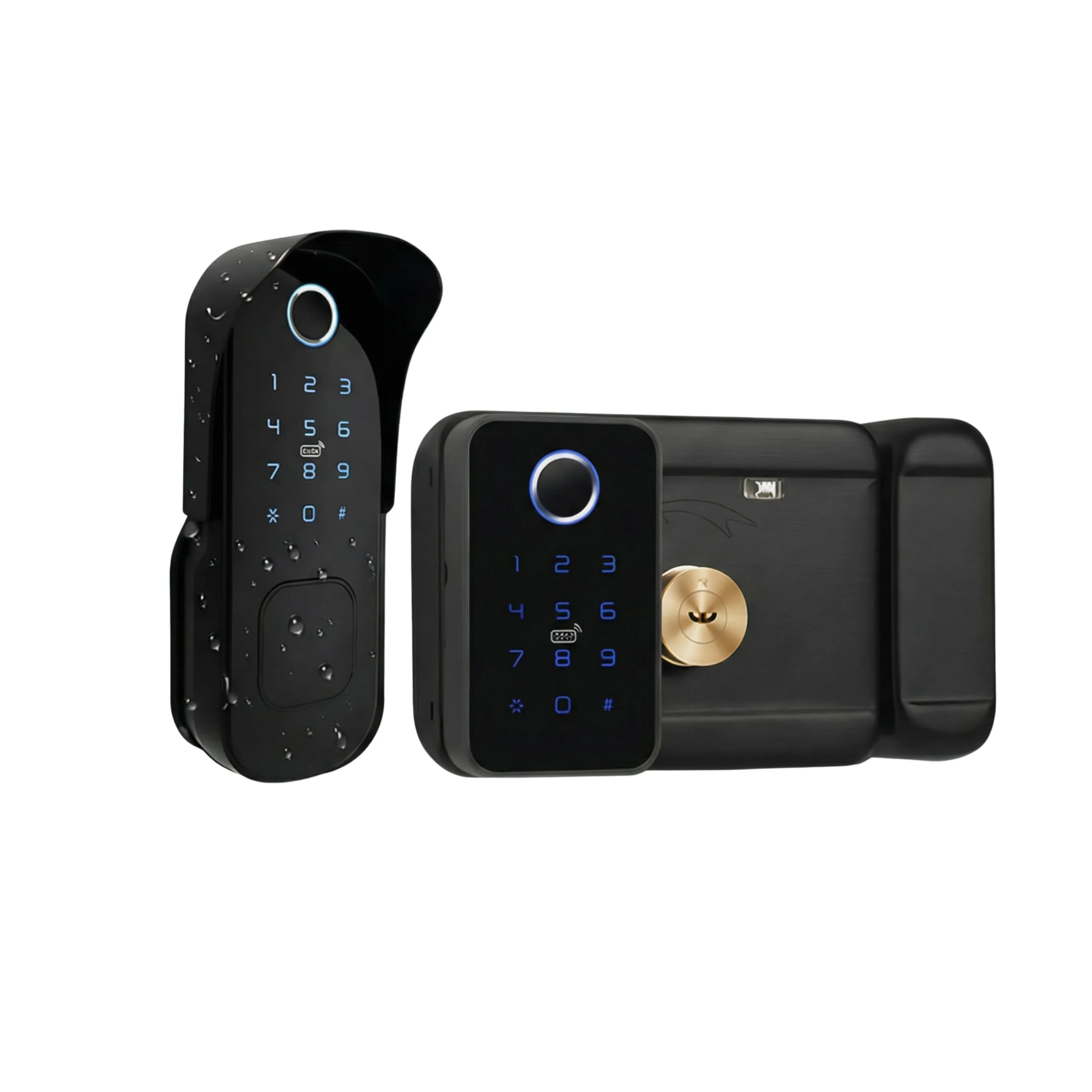
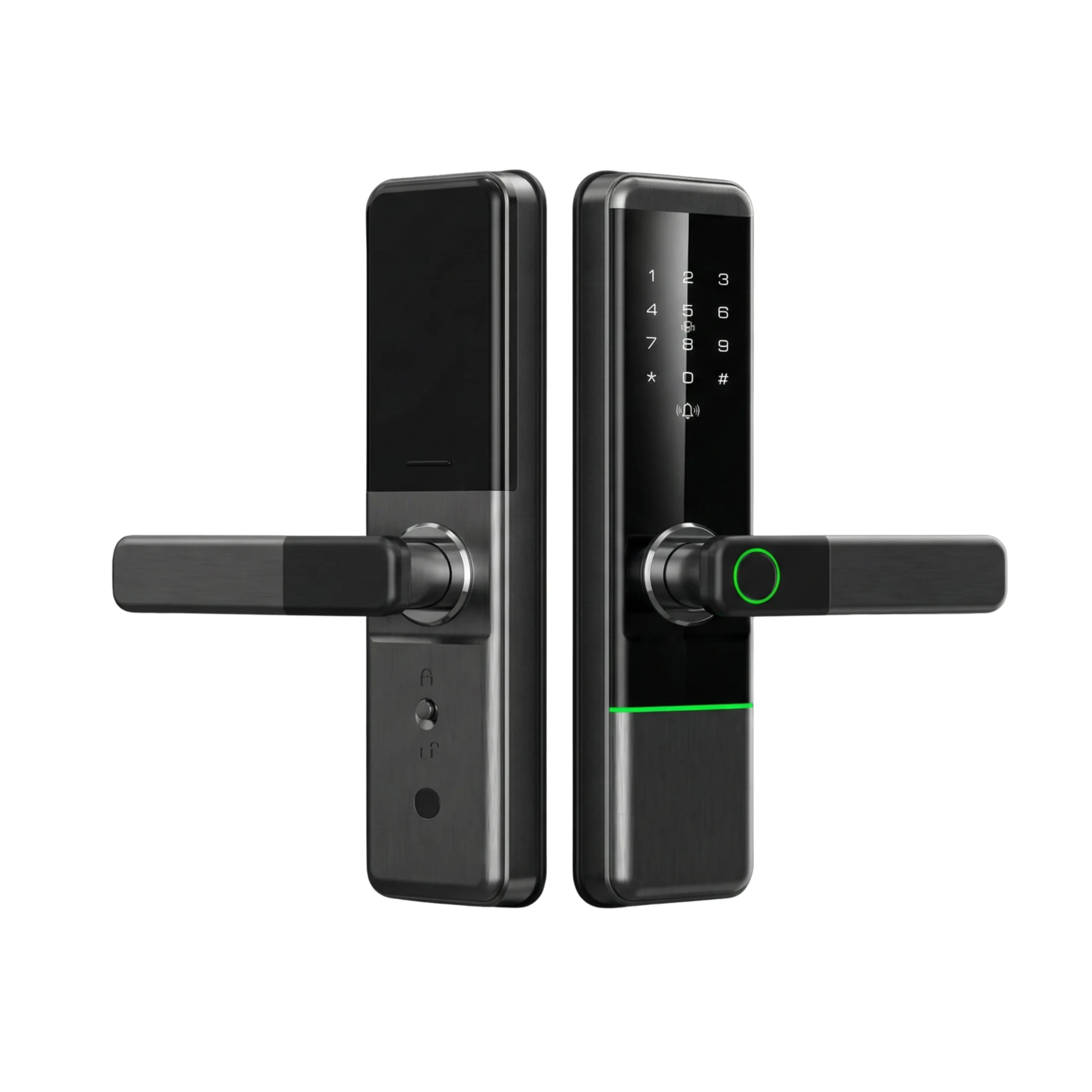









Smart lock battery life is a practical concern for many homes, offices, and rental properties across the UAE.
When a battery runs low at the wrong time, it can lead to delayed entry, guest check-in issues, or staff access problems, especially in apartments, villas, and busy office environments.
This page explains how long smart lock batteries usually last in real UAE conditions, what affects their lifespan, and when replacement should not be delayed.
It focuses on everyday usage, climate impact, and maintenance habits that help keep access reliable without adding complexity or unnecessary effort.
How Long Smart Lock Batteries Usually Last in UAE Conditions?
In most UAE homes and offices, smart lock batteries last between 6 to 12 months. This range reflects real usage patterns rather than ideal lab conditions.
Apartments with limited daily access often see longer battery performance. Villas, offices, and rental properties usually experience shorter battery cycles due to frequent use.
High outdoor temperatures in Dubai and Abu Dhabi can also affect battery efficiency over time, particularly when doors are exposed to heat.
Battery life should be treated as a maintenance timeline, not a fixed promise.
What Shortens Battery Life in Real-World Use?
Several everyday factors increase battery drain.
- Frequent locking and unlocking throughout the day
- Multiple users accessing the same door
- Wi-Fi-based connectivity instead of local Bluetooth
- Keypad and app usage combined
- Door misalignment causing resistance
In UAE offices and rentals, these factors often occur together, which explains why batteries may need replacement sooner than expected.
Battery Life by Smart Lock Usage Type
Usage environment plays a major role in battery performance.
| Usage type | Typical battery duration |
|---|---|
| Apartment home | 9 to 12 months |
| Villa with family and staff | 6 to 9 months |
| Office with controlled access | 6 to 8 months |
| Vacation rental with guest turnover | 4 to 6 months |
Rental hosts and office managers benefit from planned replacement schedules rather than waiting for alerts.
Warning Signs the Battery Needs Replacement
Smart locks usually provide clear early warnings.
Common indicators include:
- Low-battery notifications in the mobile app
- Slower response when locking or unlocking
- Dim or delayed keypad lighting
- Repeated audible alerts from the lock
These signals should be treated as action points, not reminders to delay.
What Happens If You Delay Battery Replacement?
Delaying battery replacement can cause avoidable disruption.
In residential settings, this may mean being locked out during peak heat hours. In offices, staff access can be interrupted during working hours.
For vacation rentals, delayed replacement can result in missed or stressful guest check-ins.
Most smart locks include backup access methods, but relying on them regularly increases inconvenience and risk.
Battery Replacement vs Rechargeable Options
Most smart locks use standard AA or AAA batteries, while some support rechargeable battery packs.
Key considerations include:
- Standard batteries are widely available and easy to replace
- Rechargeable packs require scheduled charging
- Rentals benefit from predictable replacement cycles
- Homes benefit from whichever option is easier to manage consistently
Reliability in daily use matters more than the battery format itself.
How Proper Installation Affects Battery Performance?
Installation quality has a direct impact on smart lock battery life.
Poor alignment forces the motor to work harder with each operation. Incorrect fitting increases resistance and unnecessary power consumption.
Repeated locking attempts due to setup issues further accelerate battery drain.
Professional installation and correct door preparation reduce these issues. This is where experienced guidance from providers such as Altix.ae helps ensure long-term reliability for homes, offices, and rental properties.
Maintaining Smart Lock Reliability Over Time
Simple habits help prevent battery-related problems.
- Check battery status every few months
- Replace batteries before long trips or holidays
- Monitor usage changes in offices or rentals
- Test emergency access methods periodically
These steps support consistent access without adding complexity.
Making the Right Decisions About Smart Lock Battery Management
- Identify how your lock is used: home, office, or rental properties require different maintenance timing.
- Check battery status regularly instead of waiting for alerts, especially before travel or peak usage periods.
- Replace batteries early if access frequency increases due to guests, staff, or deliveries.
- Ensure the lock is properly installed and aligned to avoid unnecessary battery drain.
- Plan simple maintenance routines to prevent access disruptions and last-minute issues.
This approach helps maintain reliable access, reduces unexpected lockouts, and supports consistent daily operation across UAE homes and businesses.
FAQs
This is usually defined in the rental agreement. Many landlords handle replacement to avoid guest access issues.
Most models use standard AA or AAA batteries that are easily available locally.
Every 4 to 6 months is common due to frequent guest turnover.
Most locks have emergency access options, but checking batteries before travel is strongly advised.
Yes. Proper installation reduces motor strain and helps batteries last longer.


