


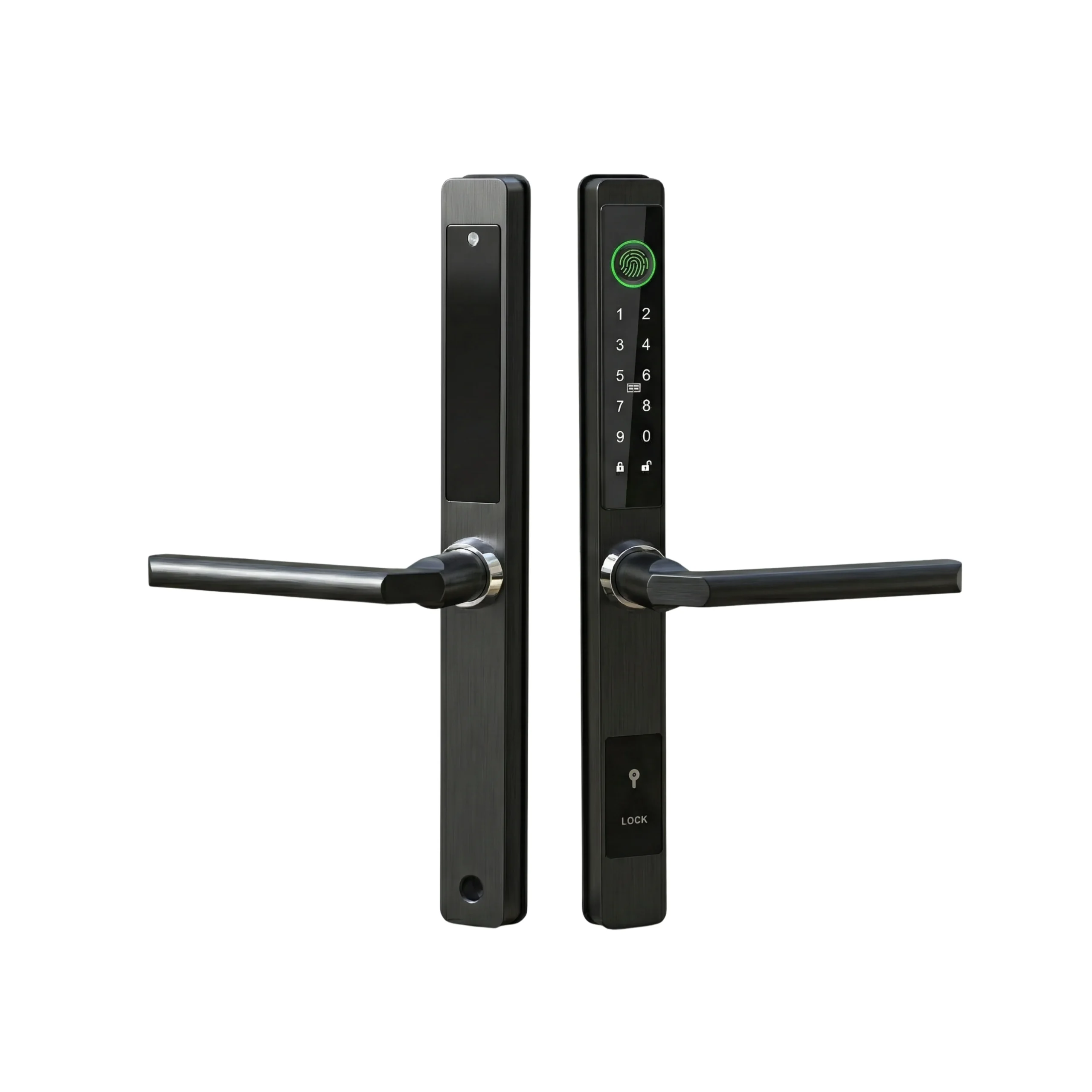

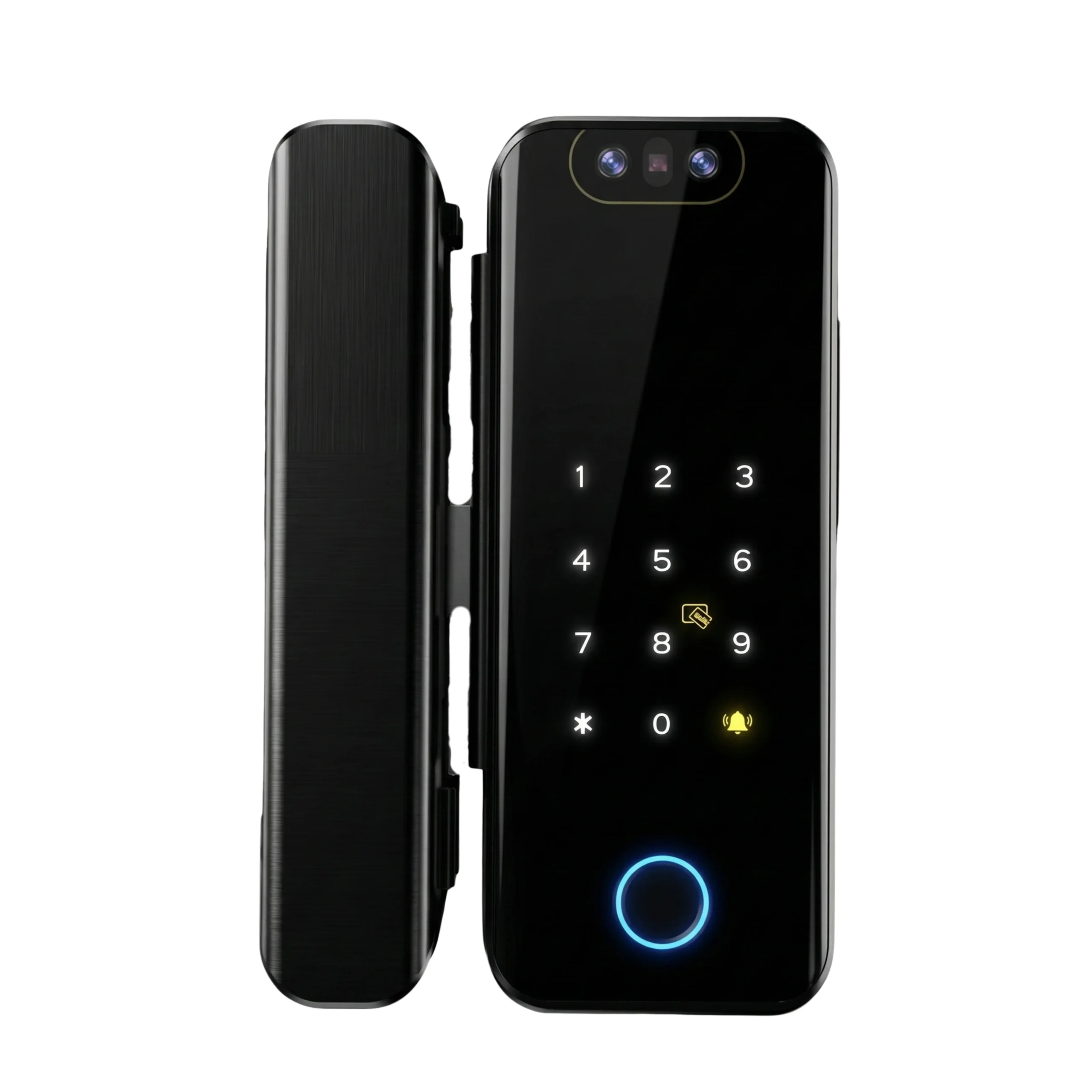
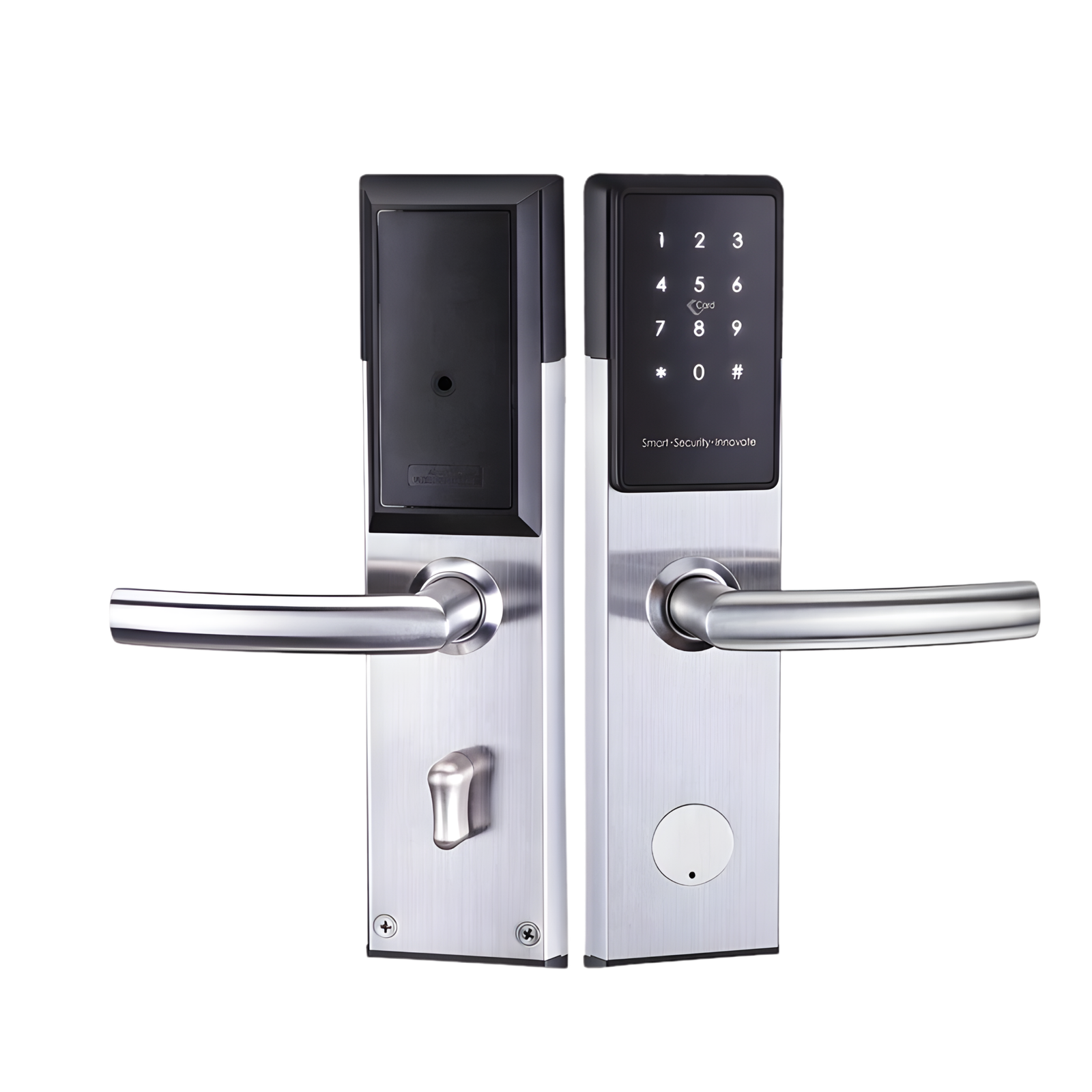
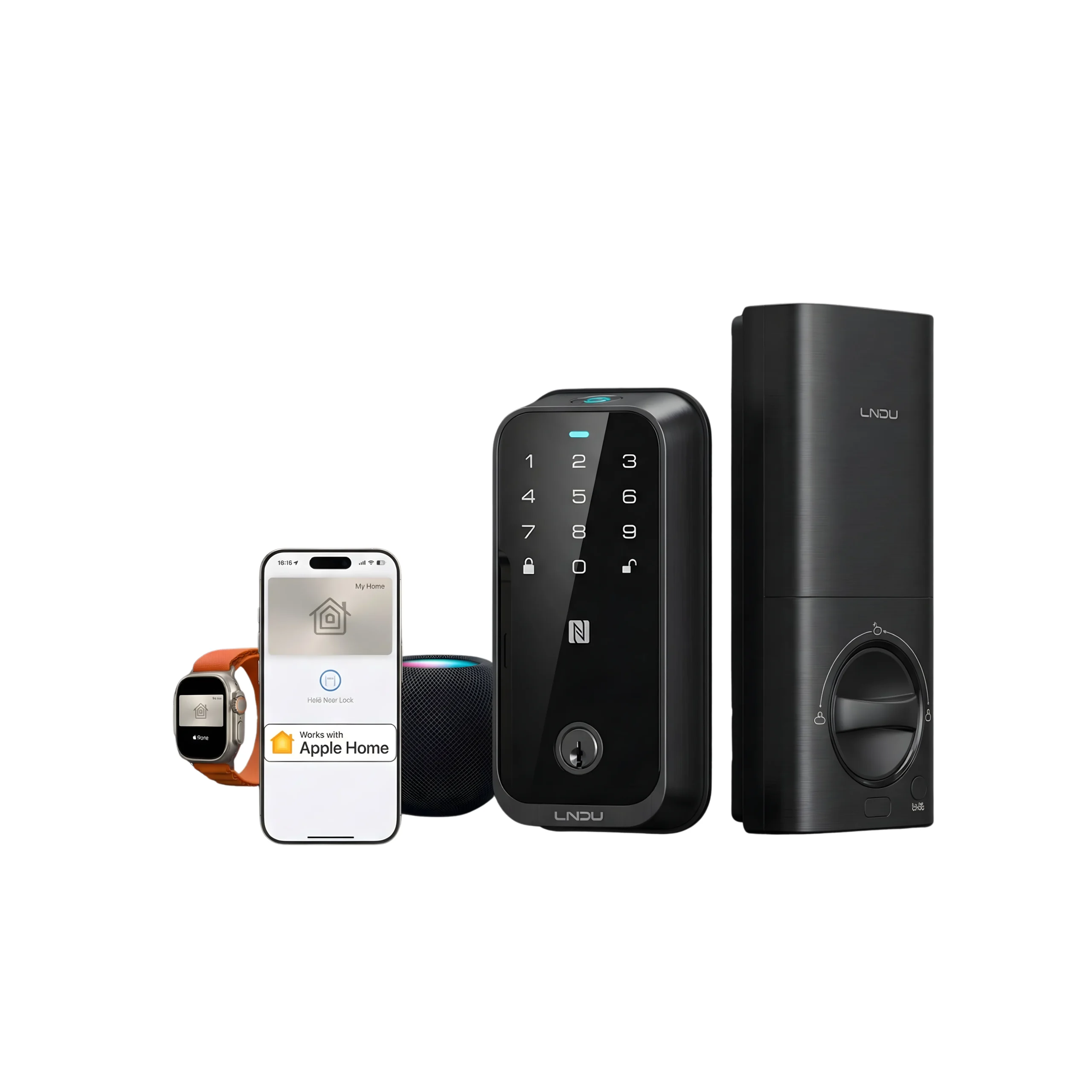
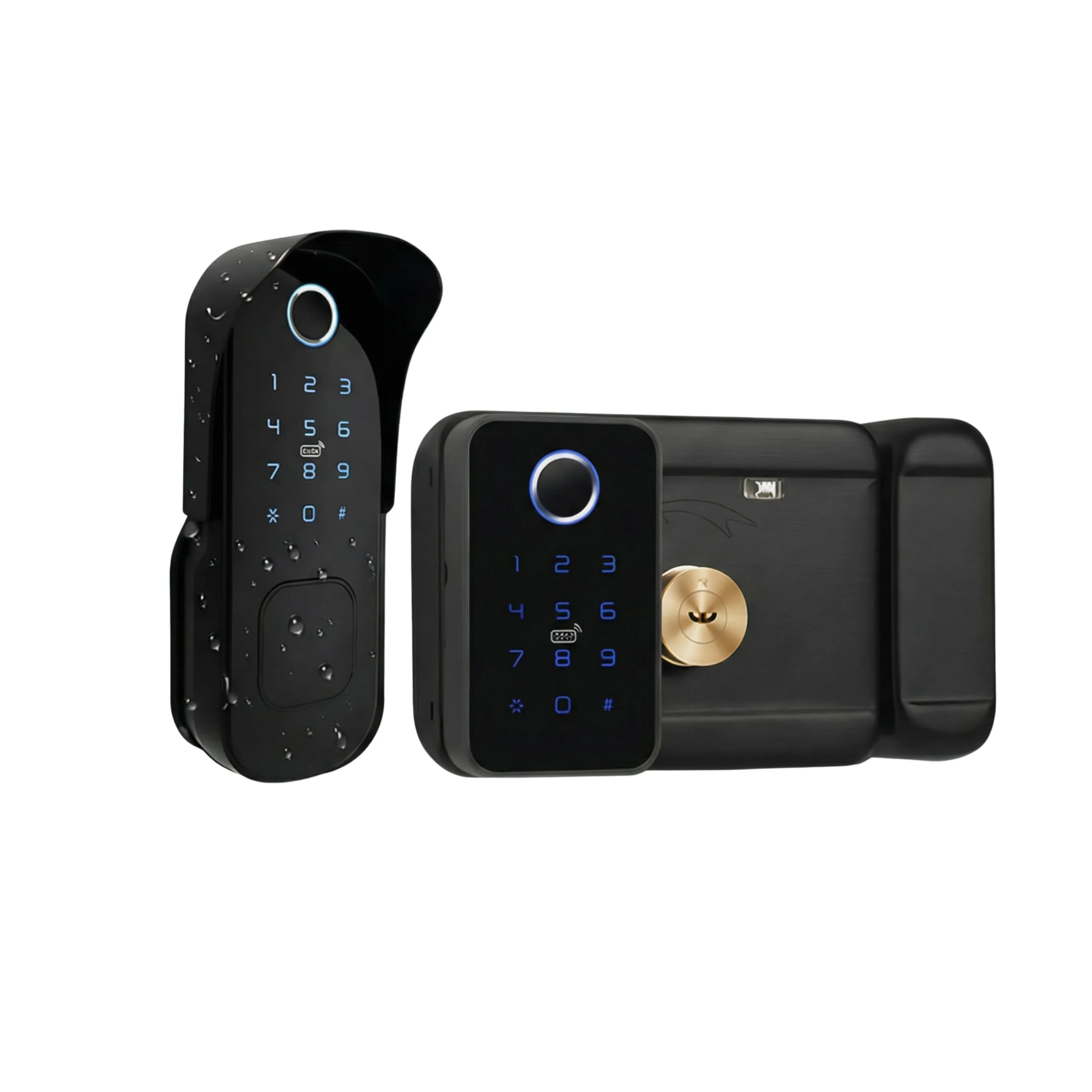
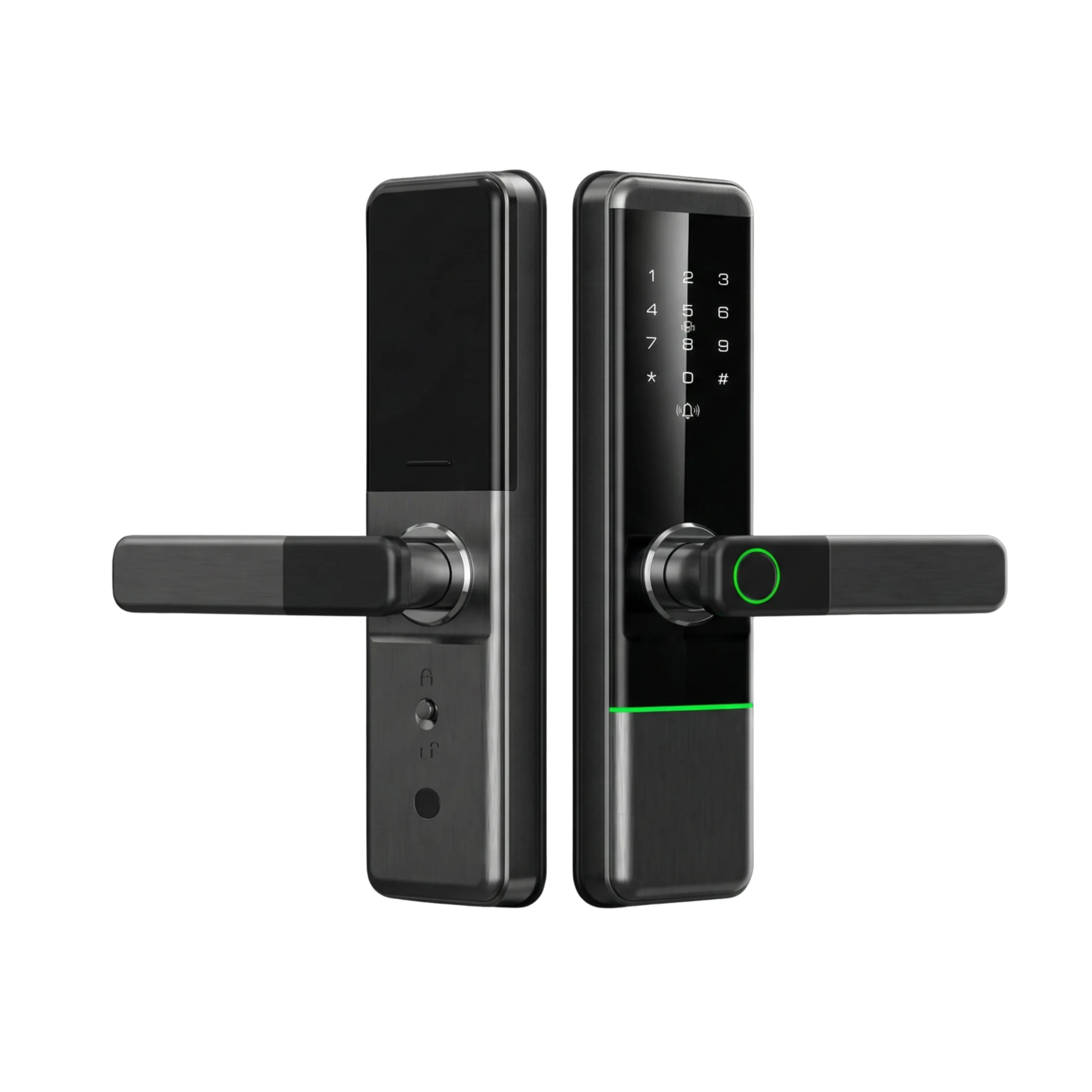








A phone booth booked for twenty minutes can’t run on a fixed code, and it can’t wait for someone at a desk to let a member in. The workable answer is a lock that takes a passcode with a start and end time, generated by your booking system the moment the booking is made, dead the moment the slot ends. That’s a standard capability on hardware we supply every week, not a custom build.
What separates spaces that get this right from spaces that rip it out after a year is everything around that: which access method suits which member, what the partition is made of, where the gateways go, and what happens when the network drops. Here’s the whole picture.
What are the benefits of per-booking access control?
Your bookings become real. Right now a member can walk into a booth someone else reserved, because the door doesn’t know about the booking. Tie access to the reservation and the booking system stops being a suggestion.
You can bill what actually happened. Entry records tell you who used which booth and for how long. Overruns become billable instead of invisible.
No receptionist in the loop. Day-pass users, visitors and evening members all get themselves in. This is what makes unstaffed hours viable, and unstaffed hours are where flex-space margin lives.
Disputes end. A member says the room was occupied when the app said free. The log tells you who was in there and when.
Departed members lose access automatically. No key collection, no code rotation, no community manager sending a Monday message.
It scales. Adding a floor doesn’t add admin. The same system runs 6 booths or 60.
How does per-booking access actually work?
A member books booth 3 for 14:00 to 14:20. The full sequence:
- Booking created in your platform: member, booth 3, 14:00 to 14:20.
- Your backend requests a code for booth 3’s lock, valid 13:58 to 14:22. Build a two-minute buffer either side. Members arrive early and lock clocks drift.
- A code comes back, typically six digits. Store it against the booking.
- Deliver it in the booking confirmation and as a push notification. Not email only. Nobody checks email walking down a corridor.
- Member types it at 14:02. The lock validates the code itself, with no internet needed at that moment.
- The gateway syncs the entry record, usually within seconds on a connected floor.
- Your system reconciles actual entry against the booking, for billing and for occupancy data.
- 14:22 and the code is dead. No cleanup, no admin task.
Two API calls. Everything else is your own logic.
Which access method should you use?
| Time-boxed code | Card or fob | Digital key in your app | |
|---|---|---|---|
| Works for day-pass and visitors | Yes | No | No |
| Needs your app installed | No | No | Yes |
| Setup per person | None | Enrolment required | Account required |
| Speed at the door | 4 to 6 seconds | Under 1 second | 2 to 3 seconds |
| Can be shared or leaked | Yes, but expires | Card can be passed | Hard to share |
| Revoke instantly | Only if pushed | Yes, on connected door | Yes |
| Best for | Bookings, visitors, day passes | Resident members, daily users | App-engaged members |
Most operators land on codes as the default and add cards for resident members who come in daily. The card is faster at the door and resident members resent typing six digits every morning. Day-pass and visitor traffic stays on codes, because enrolling someone who’s here once is friction nobody wants.
An in-app digital key is the nicest experience and the most work. In a busy DIFC or D3 space, the share of daily footfall without your app installed is meaningful, so it can’t be your only method.
Why a permanent code always fails
Every operator starts with one code per booth and a sign on the wall. It survives about a month.
The code spreads. Members share it, a departed member still has it, and the bookable booth becomes first-come-first-served. Someone camps in it for three hours. You can’t prove who used what, so you can’t bill overages, and you can’t answer the member who says the app lied.
Rotating it weekly doesn’t fix it. It just moves the problem onto your community manager as a recurring task, and a code that changes weekly is a code your members write on a sticky note.
Booths, meeting rooms and lockers: what’s different
| Phone booth | Meeting room | Locker or storage | |
|---|---|---|---|
| Booking pattern | 15 to 30 min, booked seconds ahead | 1 to 4 hrs, booked days ahead | Days to months |
| Frequency per unit | 15 to 25 per day | 2 to 5 per day | Low |
| Who uses it | Members | Members plus external visitors | Members |
| What matters most | Speed of code issue | Advance code for visitors, entry log | Cost per unit |
| Hardware | Slim door or glass lock | Standard door lock | Cabinet lock |
| Safety note | Egress must be mechanical | Egress must be mechanical | Override key needed |
Plan lockers in the same project as the booths. They use cheaper cabinet hardware and a different install, and retrofitting them six months later means a second mobilisation and a second disruption to your floor.
What hardware suits your partitions?
This is where quotes go wrong. A supplier who hasn’t asked what your booths are made of hasn’t given you a quote.
| Partition type | What fits | Watch for |
|---|---|---|
| Frameless glass booth | Clamp-on glass lock, gasket-sized to the pane | Glass thickness must be confirmed. Crooked fitting chews the gasket permanently |
| Slim aluminium frame | Narrow-profile lock body | Standard mortise bodies won’t fit. Measure the stile width |
| Timber or laminate door | Standard mortise or cylinder lock | Check the existing pocket. A badly cut previous install has to be rebuilt, not filled |
| Steel or fire-rated door | Cylinder swap preferred | Drilling a certified fire assembly can void its rating. Confirm before anyone starts |
| Locker bank | Cabinet lock | Battery replacement across dozens of units needs an owner |
Best practices and things to consider
Survey gateway coverage before you order. Remote functions need a mains-powered gateway within Bluetooth range of the locks, and Bluetooth reaches roughly 10 metres in open air. On an open floor with plasterboard partitions one gateway covers a cluster. Through a concrete core or a run of metal-framed rooms, coverage collapses. Get sockets into the fit-out drawings, because adding a spur to a finished floor plate in JLT or Business Bay costs more than the gateway.
Decide your failure behaviour, in writing. If the link to your booking system drops, codes already issued keep working, because the lock validates them itself. Bookings made during the outage won’t open the door unless you’re using the offline code method. Write down which way you want it and have the client sign it.
Egress is not a technical decision. Anyone inside a booth must get out with a mechanical action, always, regardless of power or connectivity. Confirm it with your supplier in writing and with your fit-out fire consultant, particularly on a fitted floor in a managed Dubai tower where the fit-out was approved as a set.
Expire everything. Locks store a limited number of credentials, typically around 100 of each type. Expiring codes clear themselves. An integration writing permanent ones will fill a booth lock and start failing months after launch, and it’ll look like a hardware fault.
Ask how the log reaches you and how fast. On a connected door it’s near live. On an unconnected booth it arrives whenever someone with the admin app walks past, which can be days.
Own the master account. If your installer registers the locks under his own account, you don’t control your own doors. Check on handover day, on your own phone, while he’s still standing there.
Plan battery service as a route. A booth taking 20 openings a day consumes far faster than a meeting room taking three. Use battery status reporting to replace on condition rather than on a calendar.
Confirm regulatory scope early. Business centres and commercial premises in Dubai under SIRA scope should confirm access control requirements before hardware is specified.
What should you budget?
Indicative UAE ranges, and your actual figures depend on door type and volume:
| Item | Typical range | Notes |
|---|---|---|
| Smart lock per door | AED 300 to 3,000 | Slim aluminium and cabinet units at the low end, glass and premium units higher |
| Glass door lock | From around AED 665 | Clamp-on, no drilling |
| Gateway | Per cluster, not per door | Count is set by survey, not by door count |
| Installation labour | AED 100 to 350 per door | Bundled rates are usually lower than booking separately |
| Booking platform integration | Subscription or build | Check whether your platform already supports access control before commissioning anything |
That last line saves the most money. Several co-working booking platforms already have access control built in. Check before you pay a developer to rebuild it.
How can Altix help?
We supply and install the locks and gateways and survey the floor for coverage before anything is ordered.
We don’t build booking software, but we work with whoever builds or maintains yours, and we bring a reference design for this exact setup: which credential type suits booths versus meeting rooms versus lockers, where gateways go on a fit-out floor, what the space does when the connection drops, and how to structure the account so you own your own doors. Your platform team builds against a pattern that already works instead of testing it on your members.
Send us the floor plan and the booth construction on WhatsApp. The first scoping read is free and we’ll tell you what it needs and what it doesn’t. Supply, installation and longer advisory work are quoted separately.
Frequently asked questions
Can codes be generated automatically by our booking system?
Yes, that’s the standard way these run. Your system creates a code tied to the reservation window and shows it in the confirmation, with no manual step for your team.
Do members need to install anything?
Not for codes or cards. An in-app unlock is possible if you want it, but codes are what keep day-pass users and visitors moving without friction.
What happens if the internet goes down?
Codes already issued keep working, because the lock validates them locally. New bookings made during the outage won’t open the door unless you’re using calculated offline codes. Ask your supplier which method your setup uses.
Can we see who used which booth?
Yes. Each lock records which credential opened it and when. How fast that reaches your dashboard depends on whether that door has live connectivity.
How many gateways will our floor need?
It’s set by layout, not door count. An open floor with light partitions needs far fewer than a floor split by concrete cores. This has to come from a survey, not a datasheet.
Can we retrofit this to booths we already have?
Usually yes. The determining factor is the partition material and, for glass, the pane thickness. Send photos of the door edge and we’ll tell you before you commit.
What about lockers, do they need the same hardware?
No, lockers use cabinet locks, which are cheaper per unit and installed differently. Plan them alongside the booths rather than as a later phase.
Altix supplies and installs access hardware for co-working spaces, business centres and serviced offices across the UAE. Send your floor plan on WhatsApp for an honest scope.


