


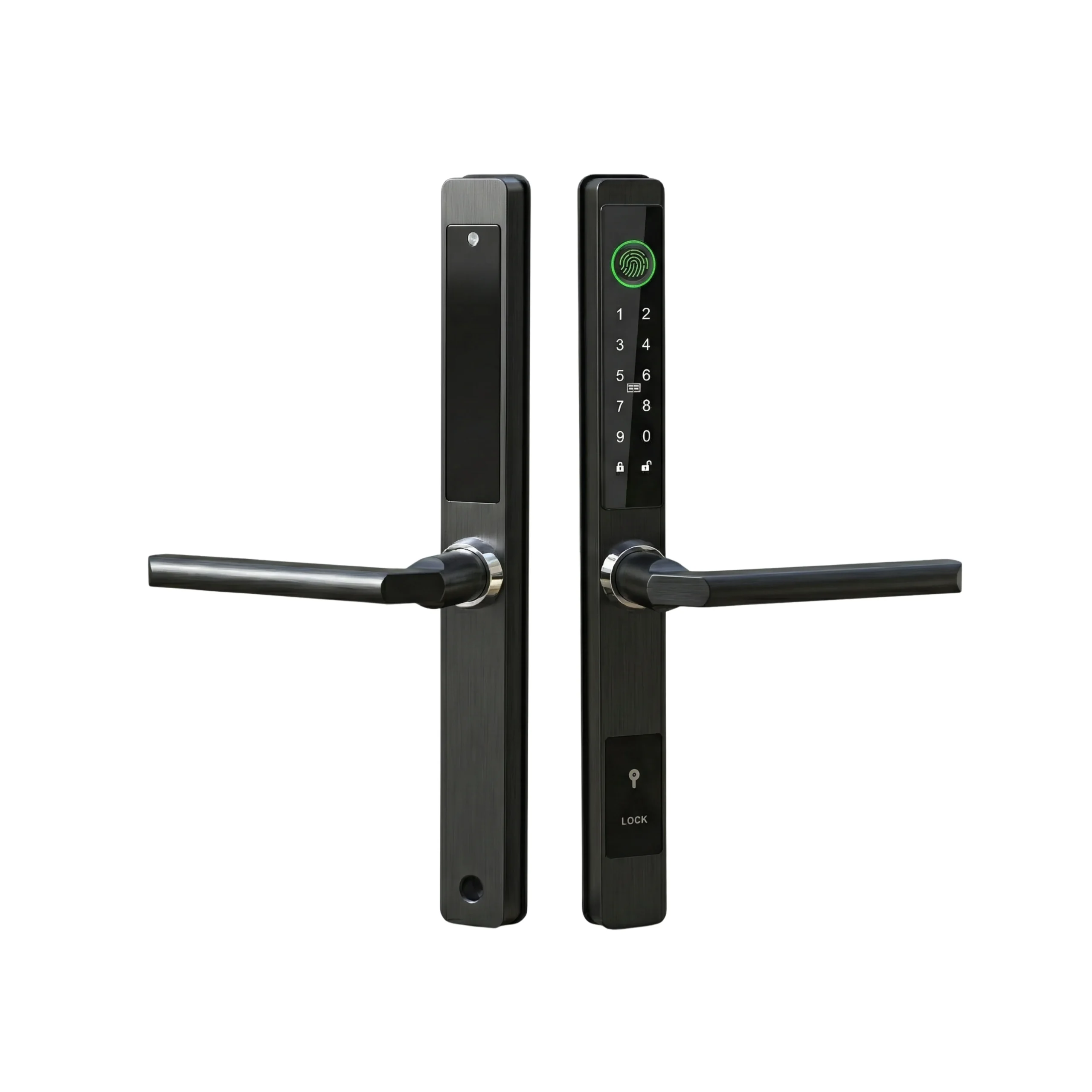

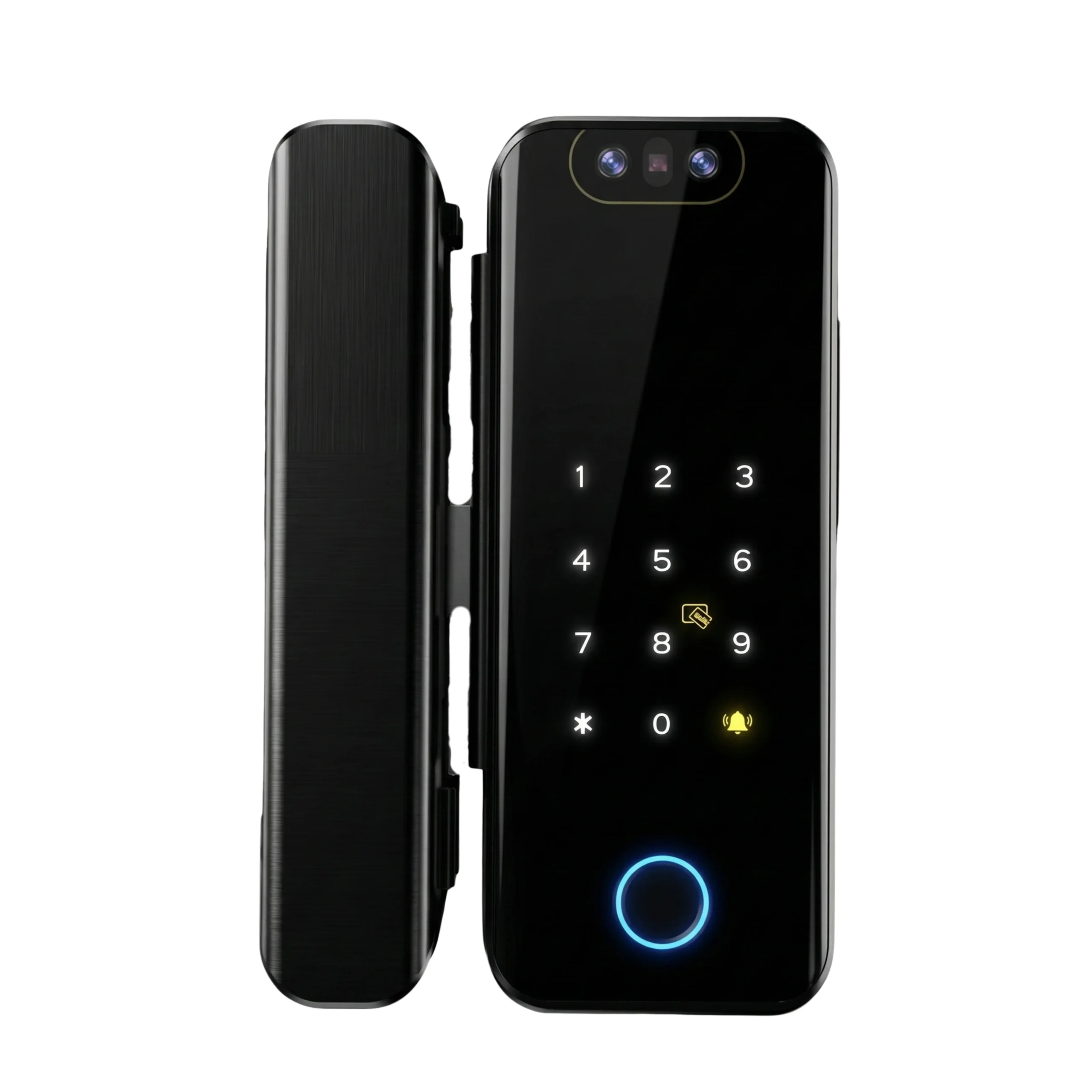
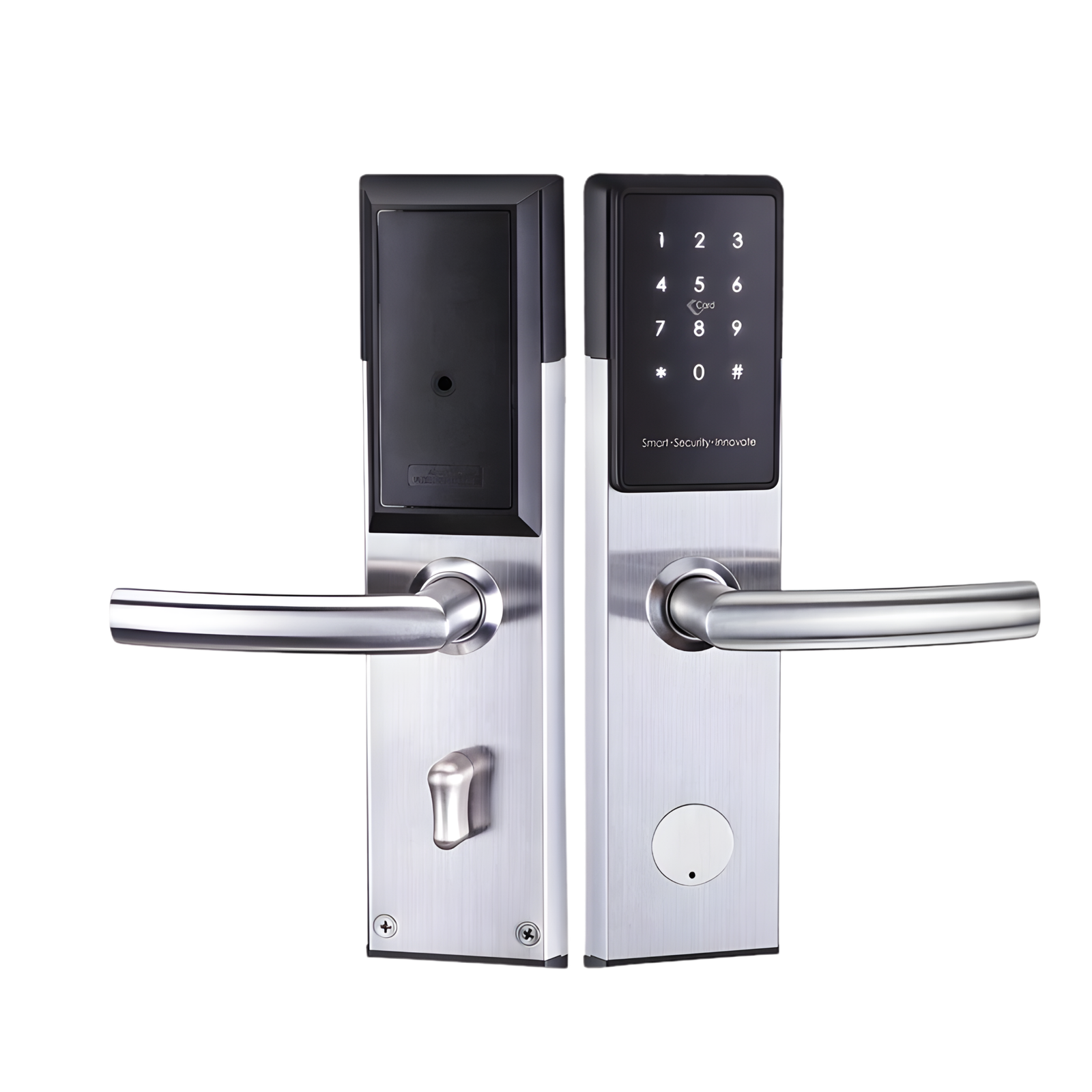
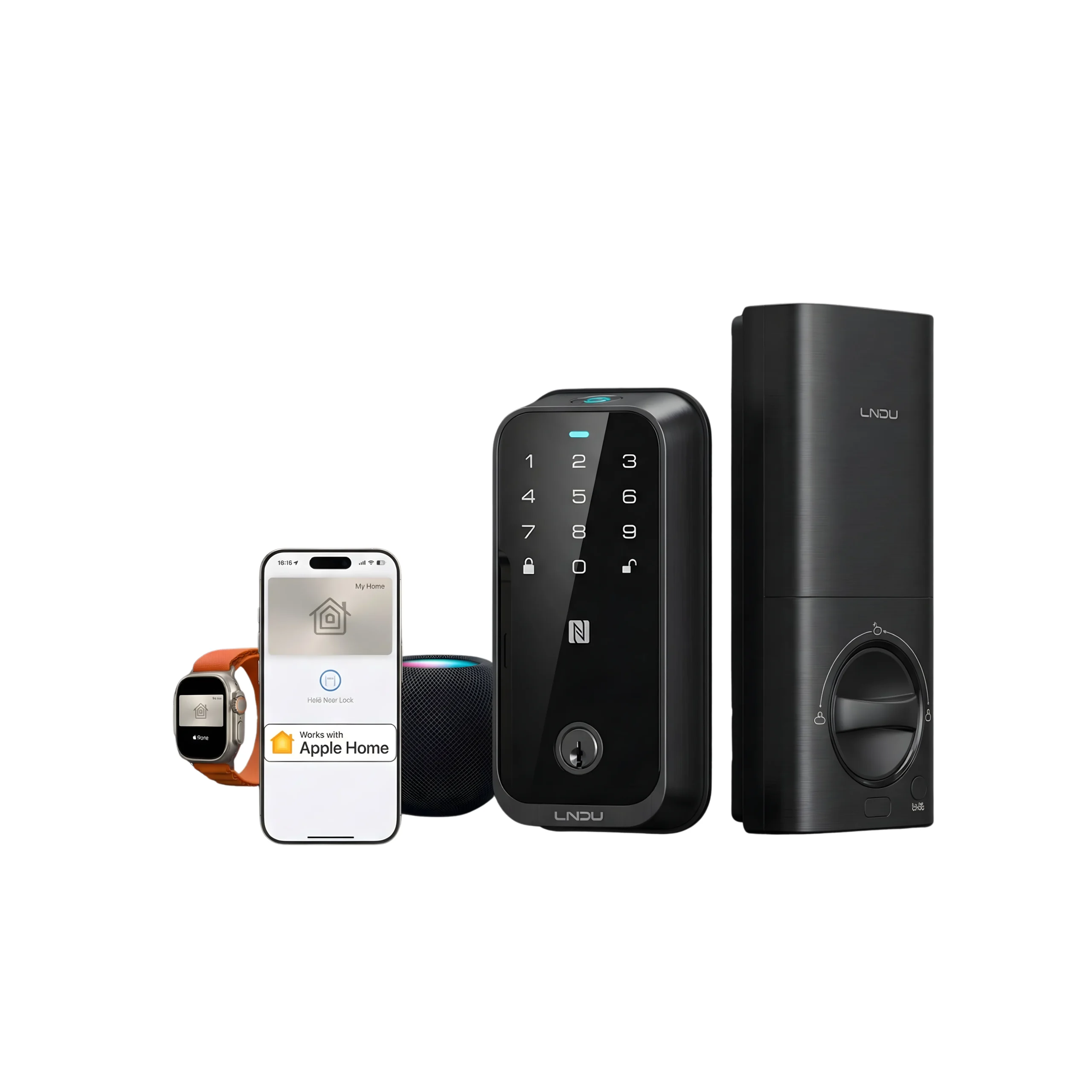
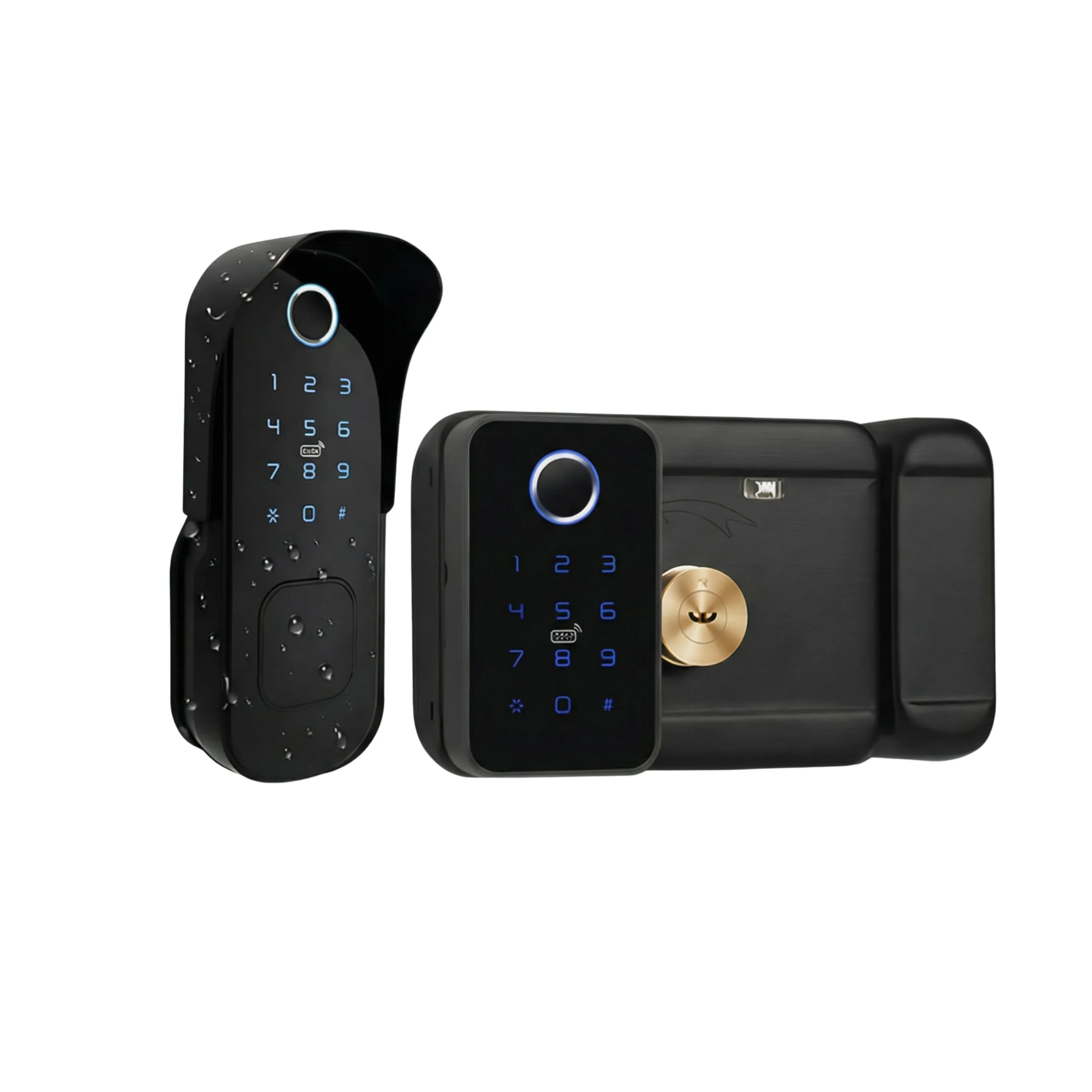
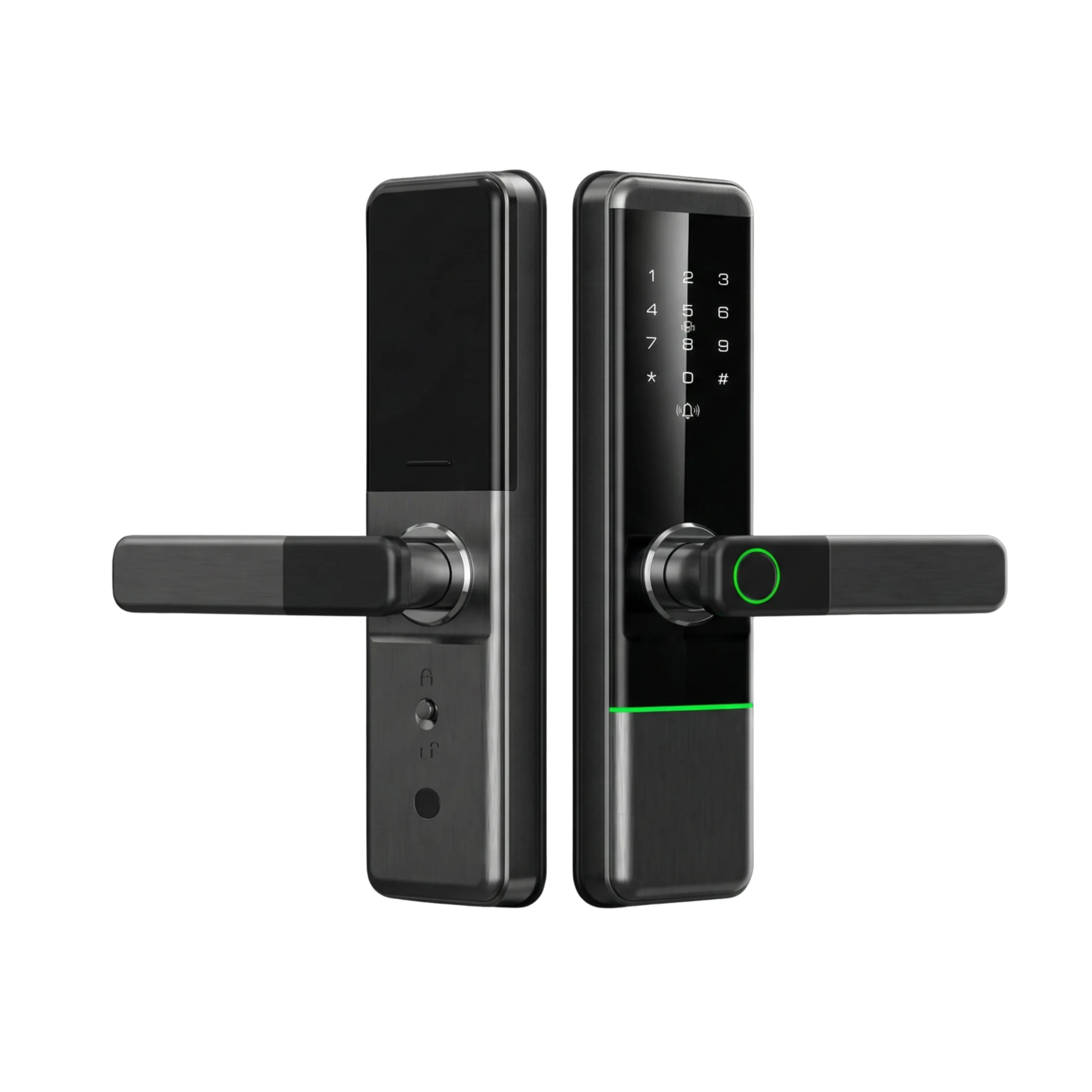









A fingerprint cabinet lock from AED 159.99 keeps a toddler out of a wooden drawer. That’s the job. It won’t stop a determined adult, it won’t fit a metal cabinet, and it does nothing at all if you’ve poured the floor cleaner into an old water bottle. Buy it for that one job and it’s one of the cheapest safety fixes in a UAE home.
We sell these locks. We also watch people buy the wrong one for the wrong cupboard, so here’s the version with the awkward parts left in.
What do children in the UAE swallow?
The only UAE-specific incidence figure we can find is old, and we’d rather say so than dress it up. A prospective study in Al Ain, published in the Eastern Mediterranean Health Journal in 1997, put unintentional poison ingestions at 2.35 per 1,000 children aged ten and under. Household chemicals and medicines dominated. Painkillers and antihistamines were the medicines most often involved. There were no deaths in that group.
That study is nearly thirty years old. Treat it as a pattern, not a current rate.
Newer regional work is more useful for deciding what to lock. At the MENATOX clinical toxicology meeting held in Abu Dhabi in February 2024, infants and toddlers were reported as the largest affected age group, and vitamin and mineral supplements were the drugs most commonly involved. The gummy vitamins on the kitchen counter do more damage in this market than the prescription box at the back of a high shelf, because they look like sweets and taste like sweets.
Abu Dhabi’s poison centre logged 200 cases across 2010 and 2011, and 45 percent came from misuse of over-the-counter drugs, pesticides, detergents and household products.
So the realistic shortlist in a Dubai apartment or a Sharjah villa looks like this:
- Paracetamol and ibuprofen syrups, because they’re flavoured for children
- Gummy vitamins, iron tablets and fish oil capsules
- Blood pressure, thyroid and diabetes medication belonging to a visiting parent or grandparent
- Bleach, drain cleaner and bathroom descaler under the kitchen sink
- Laundry and dishwasher pods, which are soft, bright and hand-sized
- Nail polish remover, perfume and hand sanitiser
Two of those categories sit in the open in most homes we visit. Vitamins live on the kitchen counter. Cleaning bottles live under the sink behind a door that swings open when a two-year-old pulls it.
Which cabinet lock fits which piece of furniture?
Every cabinet lock we stock is a hidden lock. It mounts on the inside face of a wooden door or drawer front and you can’t see it from outside. That design decides everything else about it.
| Furniture | Fits a hidden cabinet lock? | Why |
|---|---|---|
| Wooden kitchen base unit under the sink | Yes | Standard door and frame, screws into the carcass |
| Wooden bedside drawer or chest of drawers | Yes | The common fit, and where most medicine ends up |
| Fitted wardrobe with wooden doors | Yes | Works, but check the door isn’t a thin hollow panel |
| Bathroom vanity with a wooden door | Yes, with care | Humidity is the risk, not the fit |
| Metal medicine cabinet or steel locker | No | Nothing to screw into and no clearance behind the face |
| Glass-front display cabinet | No | The lock body has to hide behind an opaque panel |
| Kitchen unit with a soft-close drawer runner | Usually yes | Check the runner doesn’t sit where the bolt lands |
There’s a specification we can’t give you, and it matters. Our CB-series product pages say installation is easy “provided the furniture thickness is appropriate”, and nowhere on the page is that thickness published as a number. We’ve asked. Until it’s on the page, send us a photo of the door edge with a tape measure against it on WhatsApp and we’ll tell you before you buy rather than after.
What does each model give you?
| Model | Unlock methods | Fingerprints stored | Batteries | App and access log | Price (AED) | Stock |
|---|---|---|---|---|---|---|
| Altix CB3 | Fingerprint, emergency override | 20 | 3x AA | No | 159.99 | In stock, 4 units |
| Altix CB5 | Fingerprint, emergency override | 20 | Not published | No | 169.99 | Out of stock |
| Altix CB4 | Fingerprint, emergency override | 20 | 3x AAA | No | 189.99 | In stock |
| Altix CB3 Pro | Fingerprint, Tuya app | 25 | 4x AA | Yes, Tuya | 199.99 | In stock |
| Altix Safe Box Lock | Fingerprint, PIN, key | Multiple, count not published | Not published | Yes, TTLock | 584.99 | In stock |
Prices and stock were read from our own catalogue on 4 September 2026 and they move.
The app column matters more than the AED 40 gap suggests. The CB3, CB4 and CB5 are fingerprint-only. They open, they close, and they tell you nothing afterwards. The CB3 Pro talks to the Tuya app and the Safe Box Lock talks to TTLock, so you can look at your phone and see the drawer was opened at 15:40 on Tuesday.
For a wardrobe holding your passport, a log is a nice extra. For the drawer holding a grandparent’s heart medication in a house with a curious five-year-old, a log is the reason to spend the extra AED 40.
We also have to flag an inconsistency on our own pages. The CB3, CB4 and CB5 listings describe both a “USB-C emergency key for manual override” and “USB cable emergency charging”. Those are two different things, and the difference matters when the batteries die at 11pm. We’ve raised it internally. Ask us on WhatsApp which one your unit ships with and we’ll check the box rather than guess from the listing.
What a cabinet lock will not do
This is the section most sellers skip, so read it before you buy.
These are privacy locks, not security locks. They bolt into wooden furniture, so a determined adult with a flat screwdriver goes through the cabinet rather than through the lock. If you’re protecting cash, gold or documents from theft, you want the Safe Box Lock on a steel body instead of a hidden lock on a chipboard drawer.
A lock also does nothing about decanting. The international literature on caustic ingestion in children keeps landing on the same two findings. The chemical was stored somewhere the child could reach, and it was in an unlabelled container, often a drinking bottle. If the bathroom acid is sitting in an old Masafi bottle under the sink, a lock on that cupboard has moved the problem down the hall. Keep chemicals in the container they came in, with the label on.
It won’t cover your kitchen counter either. A locked cupboard with a tub of gummy vitamins standing next to the kettle is a half-done job. Everything on the shortlist above goes behind the lock, or the lock is decoration.
Bad installation kills it. The bolt on these locks pops up automatically after unlocking so you don’t leave the drawer open, which is a convenience feature and a failure mode in the same part. If the drawer isn’t pushed fully shut, the bolt has nothing to catch.
One more thing, and it’s about what we couldn’t verify. We looked for a UAE or GCC requirement forcing child-resistant caps on household chemicals and over-the-counter medicine and we couldn’t find one we’re willing to cite. If it exists, send us the reference. Until then, don’t assume the cap is doing any work. The physical lock is the control you own.
Where should medicine sit in a UAE home?
Most medicine packs carry a storage instruction like “do not store above 25°C” or “store below 30°C”. Standard controlled room temperature sits around 20°C to 25°C. Inside the air-conditioned part of a UAE home, that’s fine year-round. Outside it, in summer, it isn’t.
So the locked cupboard has to be in the cooled envelope. We see people solve the child problem by moving medicine to the store room, the laundry balcony or a garage shelf, which fixes access and quietly cooks the contents.
| Location | Heat risk in summer | Child risk | Our verdict |
|---|---|---|---|
| Bedside drawer in an air-conditioned bedroom | Low | High if unlocked | Best place, lock it |
| Kitchen wall unit away from the hob and window | Low | High if unlocked | Good, lock it |
| Bathroom vanity | Low temperature, high humidity | High if unlocked | Acceptable, but not for anything moisture-sensitive |
| Store room or utility with no AC | Unknown and probably high | Low | Don’t put medicine here |
| Laundry balcony or a cupboard on an unglazed balcony | High | Low | Don’t put medicine here |
| Garage shelf in a villa | High | Low | Don’t put medicine here |
| Glove box of a car | Very high | Low | Never |
We haven’t measured a Dubai store room in August and we’re not going to invent a number for you. Put a cheap thermometer in whichever cupboard you’re considering, leave it a week in July or August, and read it. If it goes past 30°C, that cupboard is for cleaning chemicals, not tablets.
Cleaning chemicals are the reverse problem. Heat is a lesser concern, reach is everything, so the store room is where they belong. Lock the door if it’s wooden and there’s a child in the house.
How do you fit one? A worked example, step by step
A family we dealt with in Al Furjan. Two adults, a three-year-old, a live-in helper, and a grandmother visiting for two months with her own medication. Here’s how that Saturday went, start to finish.
- 08:40, they send a photo. Two photos, in fact. The under-sink kitchen cabinet door with a tape measure held against the edge, and the master bedside drawer front. Both wooden. Both fine.
- 08:55, we confirm the pair. CB4 at AED 189.99 for the kitchen cupboard, CB3 Pro at AED 199.99 for the bedside drawer, because the grandmother’s medication is the thing they want a record on. Total AED 389.98 plus batteries.
- 11:20, the boxes arrive. They buy a four-pack of branded alkaline AAA and a four-pack of AA at the supermarket on the way home. The locks don’t ship with batteries.
- 11:35, they empty both spaces first. Everything on the kitchen counter and the bathroom shelf that’s on the shortlist goes into a pile: syrups, gummy vitamins, a half bottle of bleach, two laundry pods that had escaped the tub.
- 11:50, the decanted bottle turns up. A 500ml water bottle of diluted disinfectant under the sink, unlabelled, made up months earlier. It goes down the drain and into the recycling. This is the step that mattered most that morning and it cost nothing.
- 12:05, the kitchen lock goes on. The CB4 body screws to the inside face of the cabinet door, the catch plate to the carcass. Battery cover off, three AAA in, cover back on. No wiring, no drilling through the door face.
- 12:20, fingerprint enrolment. Two adults and the helper, six prints total, three per person so a wet or floury finger still reads. The three-year-old is not enrolled, which sounds obvious and is the single most common mistake we hear about.
- 12:35, the emergency override goes somewhere sensible. Not in the drawer next to the lock. Not on the same keyring as the front door. It went into a labelled envelope in the master wardrobe, which is where the second one went later too.
- 12:50, the bedside CB3 Pro goes in and pairs to Tuya. Four AA batteries, the phone finds it over Bluetooth, and the mother’s phone becomes the admin account. The father gets added as a second user.
- 13:10, they test the way it fails rather than the way it works. Lock it, walk away, come back and pull the drawer with the flat of a hand the way a toddler would. Then close the cabinet door casually, the way you do carrying a mug in the other hand, and check the bolt caught. On the kitchen door it didn’t, first go. The catch plate moved 2mm and after that it caught every time.
- Two weeks later, the log earns its money. The Tuya history shows the bedside drawer opened at 14:10 on a weekday when both parents were at work. It was the grandmother taking her own tablets, which is exactly what should happen. They now know what normal looks like, which is the only way an unusual entry ever stands out.
Total spend that day: AED 389.98 on hardware, roughly AED 25 on batteries, no labour because both went on with a screwdriver.
What does it cost?
| Item | AED | Note |
|---|---|---|
| Altix CB3 | 159.99 | Cheapest entry, fingerprint only |
| Altix CB5 | 169.99 | Out of stock at the time of writing |
| Altix CB4 | 189.99 | Fingerprint only, marketed for child safety |
| Altix CB3 Pro | 199.99 | Adds Tuya app and an access log |
| Altix Safe Box Lock | 584.99 | Steel safe body, TTLock, fingerprint and PIN |
| Alkaline batteries | Roughly 20 to 30 per lock | Our estimate, not a listed product, and not included in the box |
| Fitting | Ask us | We have no cabinet-lock fitting SKU. Our installation charges cover mortise door locks |
Two locks and batteries put a typical family at AED 380 to 420. For comparison, fitting a single smart lock to a front door in Dubai runs AED 150 to 350 in labour alone. So the whole child-safety job costs about what one door installation costs, and you can do it yourself.
The fitting line is honest rather than helpful, and we know it. Our published installation prices are for mortise locks on doors, not for cabinet locks. Most people fit these themselves in fifteen minutes with a screwdriver. If you want us to do a set, message us and we’ll quote the visit.
How does this work with a live-in helper?
A large share of the households we deal with in Dubai and Sharjah have someone else in the home during the day, and that changes the answer.
The person who handles bleach and drain cleaner is often the helper, not the parent. If you fit an app-only lock and the app lives on your phone at the office, you’ve created a daily problem and it gets solved the way these things always get solved: the cupboard gets left unlocked.
Two options that work. Enrol the helper’s fingerprint on the chemical cupboard, so the lock never gets in the way of the job it’s meant to allow. Or keep chemicals in a locked store room she has access to, and use the cabinet locks only on medication.
What doesn’t work is a lock that makes the household’s normal Tuesday harder. It gets defeated by the people living there within a week, and then you’ve spent AED 190 on a drawer that’s permanently open.
The CB3 Pro’s log earns its place here for a reason people don’t say out loud. It gives you a picture of what a normal week looks like in that cupboard, so an entry at 03:00 reads as unusual instead of invisible. Catching someone is not the point, and framing it that way to your helper is how you end up with a lock nobody uses.
If a child swallows something, who do you call?
We sell locks. We’re not clinicians, so this is short and it’s pointers only.
The Department of Health Abu Dhabi runs the Poison and Drug Information Service on 800-424, toll-free. Two things about it are worth knowing before you need it. Its own page describes it as a service supporting healthcare professionals, and it runs from 07:00 to 23:00 daily, not around the clock. There is no UAE equivalent of a 24-hour national poison line of the kind people arriving from the US or UK may expect.
For anything severe or out of hours, ambulance is 998 and police is 999.
Take the packet, bottle or blister with you or have it in your hand on the call. What was swallowed and roughly how much is the first thing anyone will ask.
Put those three numbers on the fridge today, before you buy anything from us or from anyone else. It costs nothing, it takes a minute, and on the worst day of your year it’s the thing you’ll be glad you did.
Buy the lock that fits your cupboard
-
Altix CB4 Keyless Fingerprint Cabinet Lock | Biometric Hidden Drawer & Desk Lock for Home & Office (Black)
- Fingerprint
Only 3 left
Altix Safe Box Lock – Smart Safe with TTLock App
- Fingerprint
- Passcode
- Card
- App
Only 1 left
How can Altix help?
Send us a photo of the cupboard door or drawer edge on WhatsApp and we’ll tell you whether a hidden lock fits before you buy one. If it doesn’t, we’ll say so.
If you want the whole job done, tell us how many cupboards and where you are. We cover Dubai, Sharjah and Abu Dhabi. We’ll quote the hardware and the visit separately so you can see what you’re paying for.
And if what you want is a locked steel box for documents and medication rather than a lock inside furniture, say that. The Safe Box Lock is the right answer more often than people expect, especially in a shared villa or a home with older children who own screwdrivers.
FAQ
Will a fingerprint cabinet lock stop a determined teenager?
No. It stops a small child and it slows down a curious one. A teenager with a screwdriver removes the cabinet door hinges in two minutes. If that’s your situation, you want a steel safe box, not a hidden lock.Can I fit one on a metal medicine cabinet?
No. Hidden cabinet locks need a wooden face to screw into and clearance behind it. For a metal cabinet, use a good mechanical padlock or move the contents into a lockable wooden unit. We don’t stock a smart padlock, so we’d send you to a hardware shop for that one.What happens when the batteries die?
Every one of these has an emergency override. On the CB series our product pages describe both a USB-C emergency key and USB emergency charging, and we’ve flagged that inconsistency above. Message us and we’ll confirm which one applies to the unit you’re buying. Either way, don’t store the override inside the cupboard it opens.How long do the batteries last?
Our CB3 and CB4 pages quote up to a year of use and two years standby on good alkalines. We haven’t independently tested that in a UAE kitchen, and a cupboard opened fifteen times a day will drain faster than one opened twice. Change them yearly on a fixed date rather than waiting for a failure.Can I put one in a bathroom?
Yes, on a wooden vanity. The lock will cope with normal bathroom humidity. The medicine inside may not, so keep anything moisture-sensitive in a bedroom instead.Do I need Wi-Fi or a gateway?
Not for the CB3, CB4 or CB5, which are fingerprint-only and don’t connect to anything. The CB3 Pro pairs to the Tuya app over Bluetooth from your phone. The Safe Box Lock uses TTLock the same way. Neither needs the internet to open, which is the behaviour you want on a cupboard.Is the fingerprint data stored anywhere online?
On these models, fingerprints are enrolled on the lock itself. We’d still tell you to ask for that in writing from any seller, including us, rather than taking a product page at its word.What’s the one thing I should do today if I buy nothing?
Empty every decanted bottle of cleaning fluid in the house and put the three phone numbers above on the fridge. Both are free, and between them they cover the two failure modes that a lock cannot.Popular Post
View All Security & Safety
Are Smart Locks Secure? Myths vs. Reality (Expert Breakdown)
Are smart locks secure for real homes and properties in Dubai and Abu Dhabi?For most households, rentals, and…
Read More Info → Apartments & Villas
How to control Smart Locks with Alexa, Google Home
Smart locks aren’t just about replacing keys, they’re about convenience. One of the biggest advantages of choosing the…
Read More Info → How-to
Tuya vs TTLock – Which App is best?
Tuya vs. TTLock: Which Smart Lock Platform Should You Choose for Your Home? Smart locks are becoming more…
Read More Info →
White Friday Smart Lock Deals in the UAE: How to Tell a Real Discount From a Fake One
Buying a smart lock on White Friday or National Day in the UAE? How to spot an inflated…
Read More Info →
Smart Locks in UAE: The 2026 Buyer’s Guide You Actually Need
If you’re upgrading security in your home, villa, or office in the UAE, the smartest move in 2026…
Read More Info →Wi-Fi, Remote & Smart HomeBluetooth vs Wi-Fi Locks – Which One Fits Your Space?
Should your smart lock work only when you are standing at the door, or should it let you…
Read More Info →


