












Most smart lock brands sell you one idea in nine boxes. Lockin doesn’t. The range splits into three genuinely different technologies, and picking the wrong branch costs you more than picking the wrong model within a branch.
Here’s what actually separates them, and which door each one belongs on.
The three Lockin families
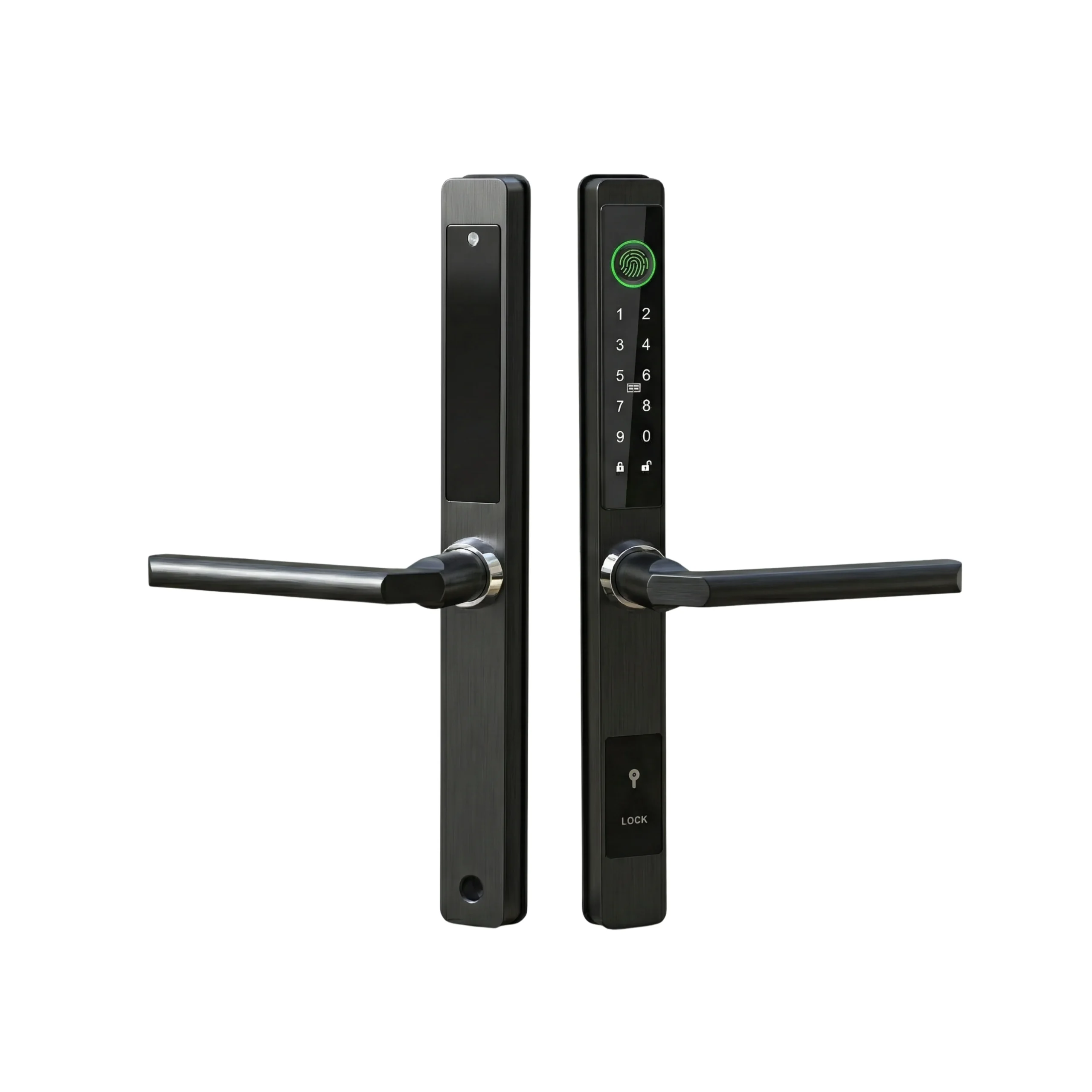
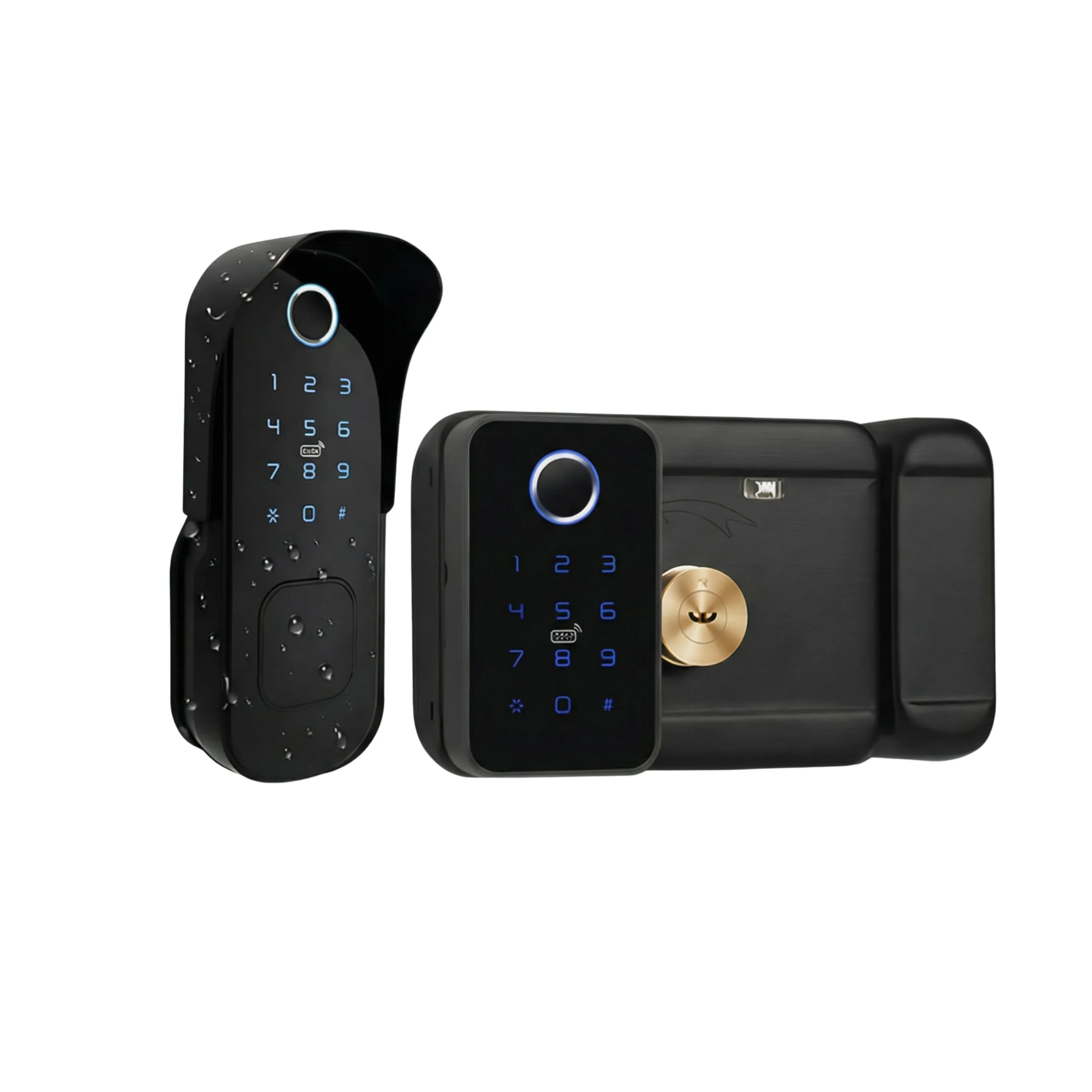
Fingerprint locks. One model: the X9 Pro. Capacitive fingerprint sensor, PIN, NFC card, Bluetooth, mechanical key. This is the conventional route and the cheapest way into the brand.
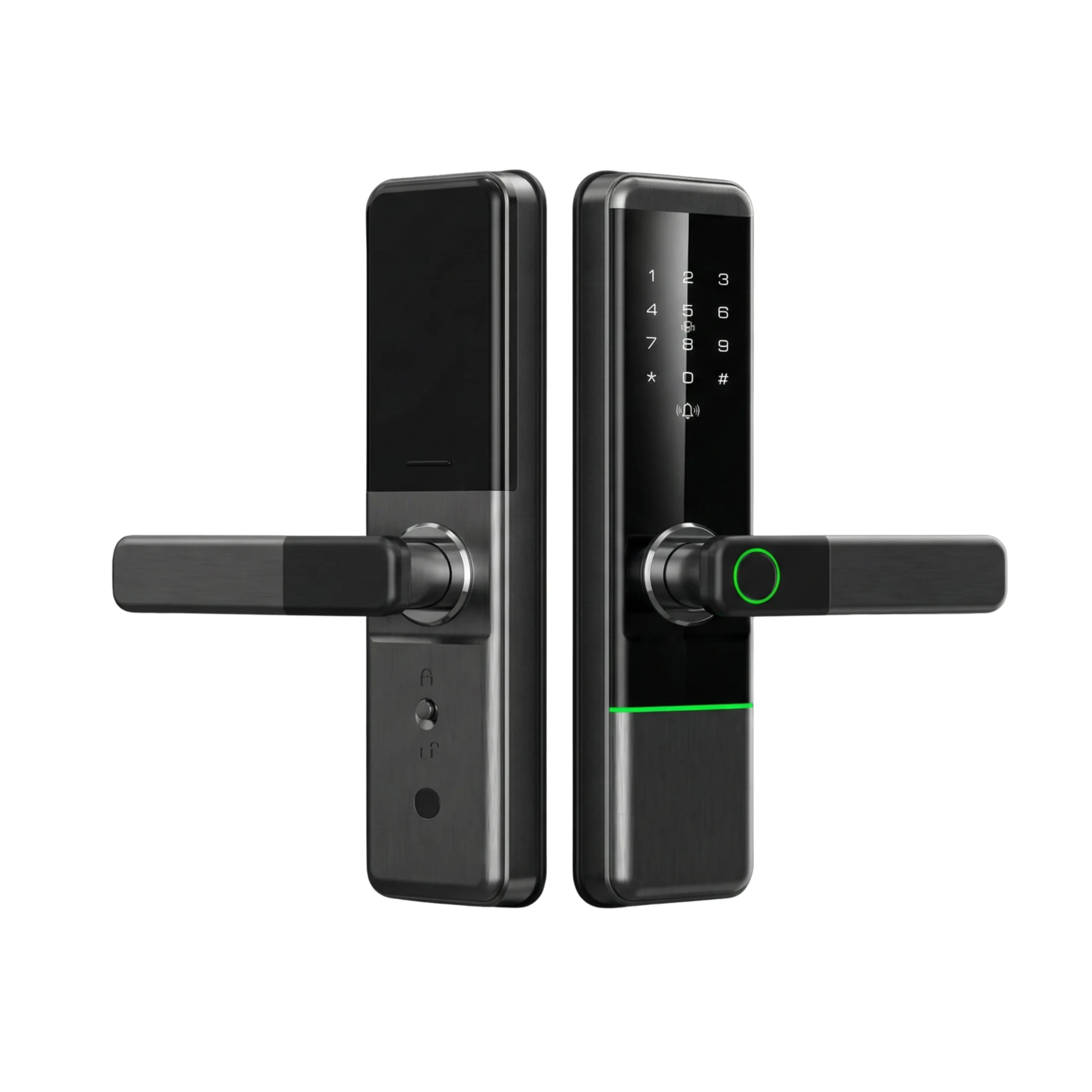
Vein locks. The S5, SV40, S6 Max, V5 Max, Veno Plus and V7 Max. These read the blood vessels under your skin rather than the ridges on top of it. This is the branch that makes Lockin worth a look.
Face locks. The V5 Vision pair, plus face as a secondary method on the S6 Max, V5 Max and V7 Max. 3D structured-light sensing, not a camera doing flat image matching.
Why the vein models matter in the UAE specifically
Fingerprint sensors fail on a predictable list of hands: construction and trade workers, cleaners and anyone in daily contact with detergent, cooks, swimmers, and people over about seventy. We’ve written about what to do when fingerprints stop working at length, because it is the single most common complaint we hear after a sale.
Vein recognition sidesteps the whole problem. The pattern it reads sits below the skin surface, so surface wear, dryness, chlorine and minor cuts don’t affect it. Lockin’s palm vein implementation, branded Venokey, samples over 50,000 vein data points and unlocks in roughly 0.17 seconds by the company’s own figures.
There’s a second UAE-specific reason. Fingerprint sensors struggle in coastal humidity and on wet hands — a real problem on a villa door near the pool, or any beachfront property. Vein sensors don’t care about surface moisture.
Which model for which door
Apartment main door, budget-conscious
The X9 Pro. Fingerprint, PIN, NFC and key in an aluminium body built for a main entrance. If everyone in the household has reliable fingerprints, you do not need to pay for vein sensing. Don’t buy technology to solve a problem you don’t have.
Household with an elderly parent
The SV40. Finger vein rather than palm vein, which means a smaller, more guided gesture — you put a finger in a slot instead of presenting a palm at the right distance. That matters more than it sounds for someone with reduced mobility or poor eyesight. It also carries a UnionPay-certified NFC encryption chip and integrates with Mijia if the household already runs Xiaomi gear.
Villa main door, mixed household
The V5 Max or S6 Max. Both give you vein plus 3D face plus fingerprint plus PIN plus card plus key, so every member of the household can use whichever method works for their hands. The V5 Max uses palm vein and a 30,000-dot structured-light face map. The S6 Max runs an 8-in-1 system with dual cameras, night vision and a motion sensor.
The practical difference: S6 Max is a mortise lock and replaces the mortise body inside your door. That’s a bigger installation job. Read our note on what setup actually involves before you decide to DIY it.
Door where you also want to see who’s there
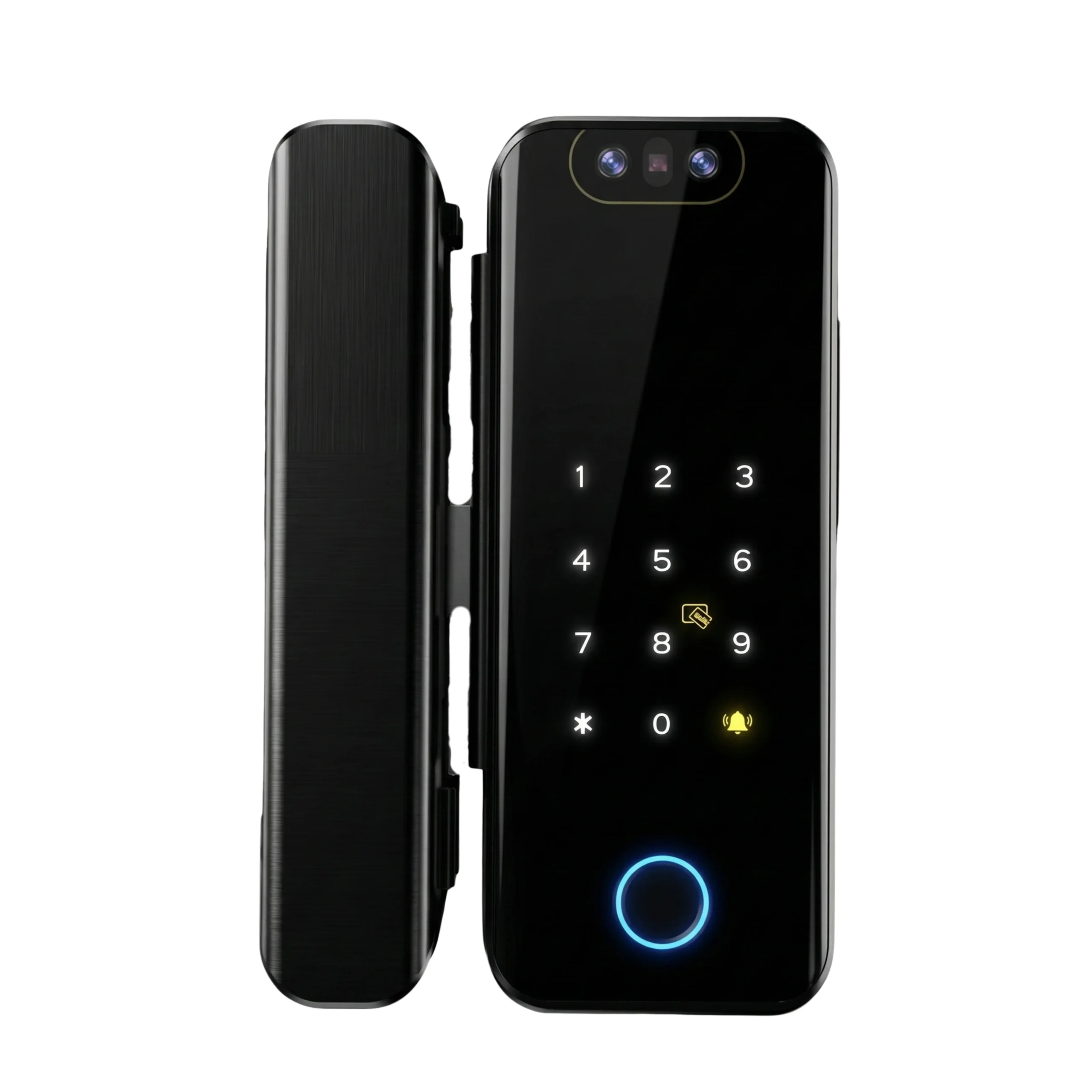
The Veno Plus or the V5 Vision. Both combine access control with a camera and an indoor display, which is a different product category from a lock with a peephole. If you’re weighing this against a separate doorbell, we compared video doorbells against camera locks — they solve different problems and the answer depends on whether you’re in an apartment or a villa.
Note that the V5 Vision ships as two separate products, left hand and right hand. Getting the handing wrong is the most common ordering mistake on this model, and it is not something you can correct in the app.
Top of the range
The V7 Max. Palm vein, finger vein and 3D face together, dual 5-inch displays, video intercom, and AuraCharge optical charging that tops the battery up without swaps. Whether that last part earns its price is a question we’ve looked at separately.
What Lockin doesn’t do well
Being straight about this, because you’ll find it out anyway:
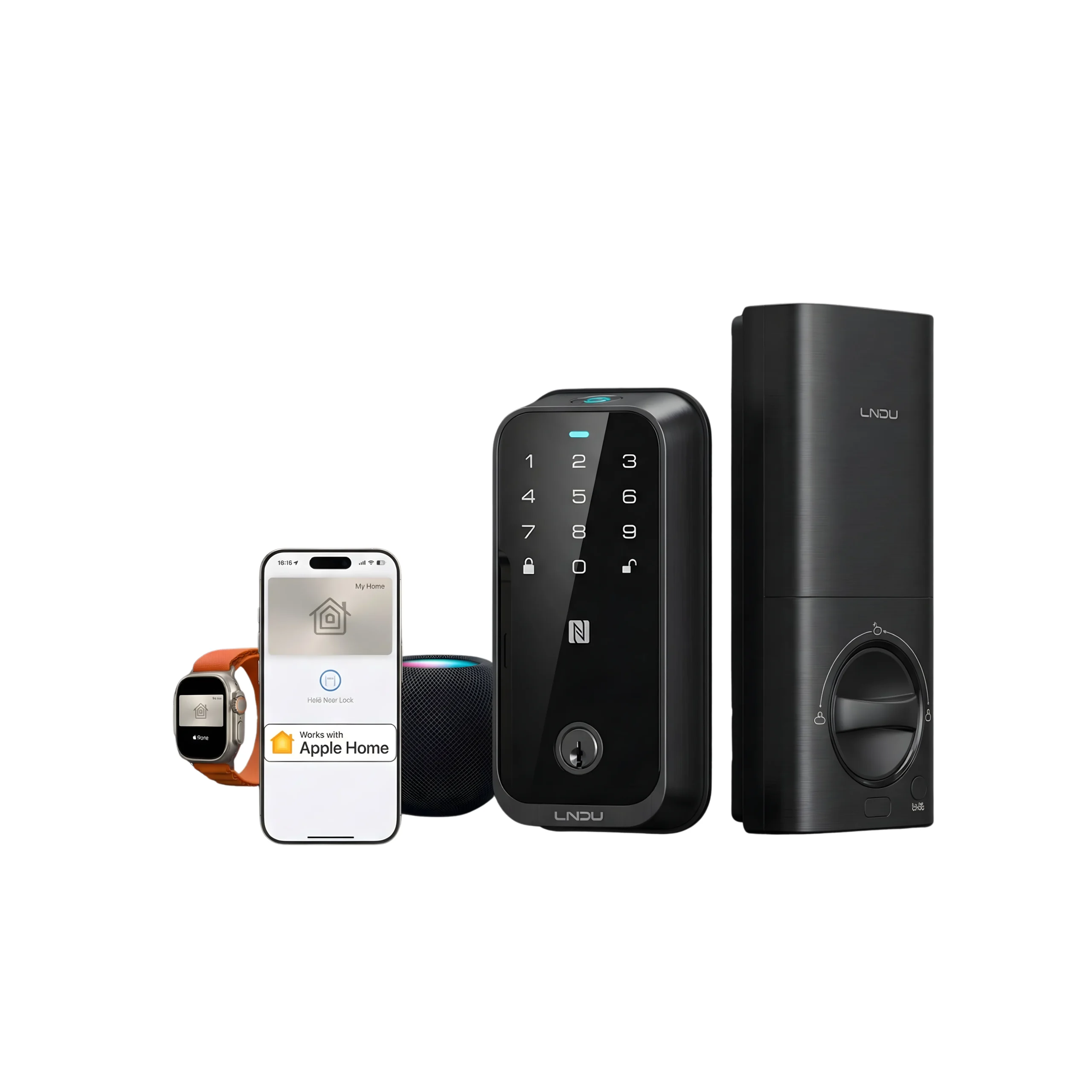
- Apple ecosystem support is thin. If Apple Home Key is your requirement, Lockin is mostly the wrong brand — look at the locks that actually carry Home Key instead.
- The camera models are power-hungry. A lock with a display and a camera does not last as long as a lock with a keypad. Plan for more frequent charging, not less.
- Vein sensors are physically larger. On a narrow stile aluminium door, the sensor housing can be a fit problem. Measure before you order.
- Mortise models need real installation. The S6 Max is not a fifteen-minute job.
Before you order anything
Two checks, in this order.
Your door. Material, thickness, stile width and whether it’s a mortise or rim setup decide more than any feature list. Our guide to matching locks to door material covers what fails on aluminium, timber, glass and steel.
Your building. If you’re renting or in a managed community, check the rules first. We’ve documented what Emaar, Damac, Nakheel and others require and where tenants stand under Dubai tenancy law.
If you’re still unsure which branch you want, our comparison of palm vein against fingerprint against face recognition goes deeper on how each one fails, which is usually the more useful way to choose.


