












Your door code leaks in three ways: someone watches you type it, a camera records you typing it, or the keypad itself gives it away through smudges and wear. The fix is cheap. Use a lock that accepts a virtual code (random digits before and after the real one), give every person their own code, and stop using the same code for months.
The rest of this post covers why each one matters in a UAE apartment corridor, which locks we sell support a virtual code according to their product pages, and how we’d set it up for a household with a maid, a weekly cleaner and a steady stream of deliveries.
How do people find out your smart lock code?
In a Dubai apartment tower, your front door sits in a corridor that neighbours, their guests, building maintenance, delivery riders and movers all walk through. Most of them are harmless, but you still don’t want any of them knowing your code.
The most common leak is shoulder surfing. Someone stands behind you, or waits at the lift lobby with a clear line to your door, and watches your fingers. Six digits on a lit keypad take about two seconds to read, and it needs no skill at all.
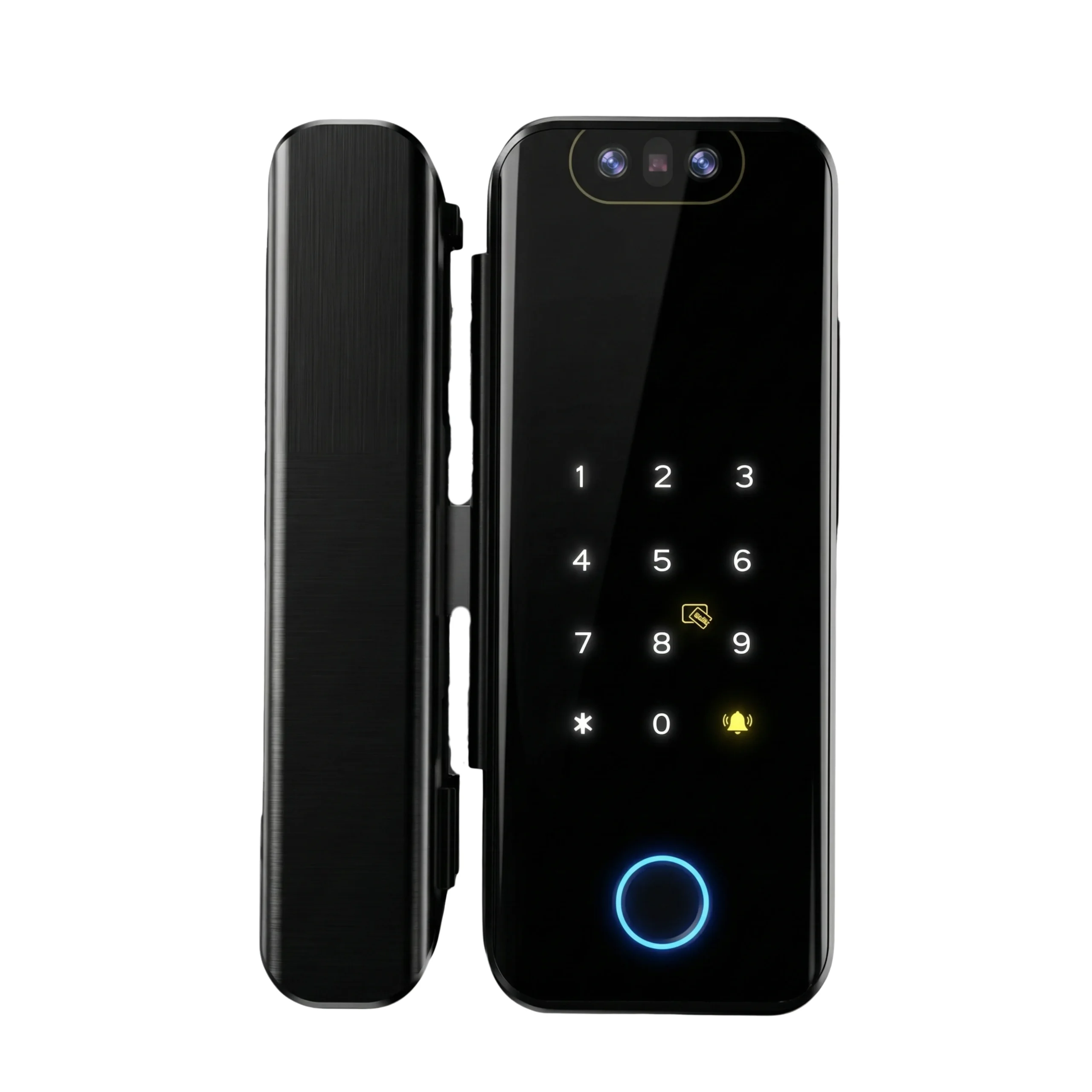
Cameras come next. Most towers have CCTV in the corridors and lift lobbies, run by the building’s security team. On top of that, neighbours’ video doorbells and peephole cameras are getting more common in JVC, JLT, Marina and Business Bay. A camera facing your door at the right angle records every code you type, and the footage sticks around.
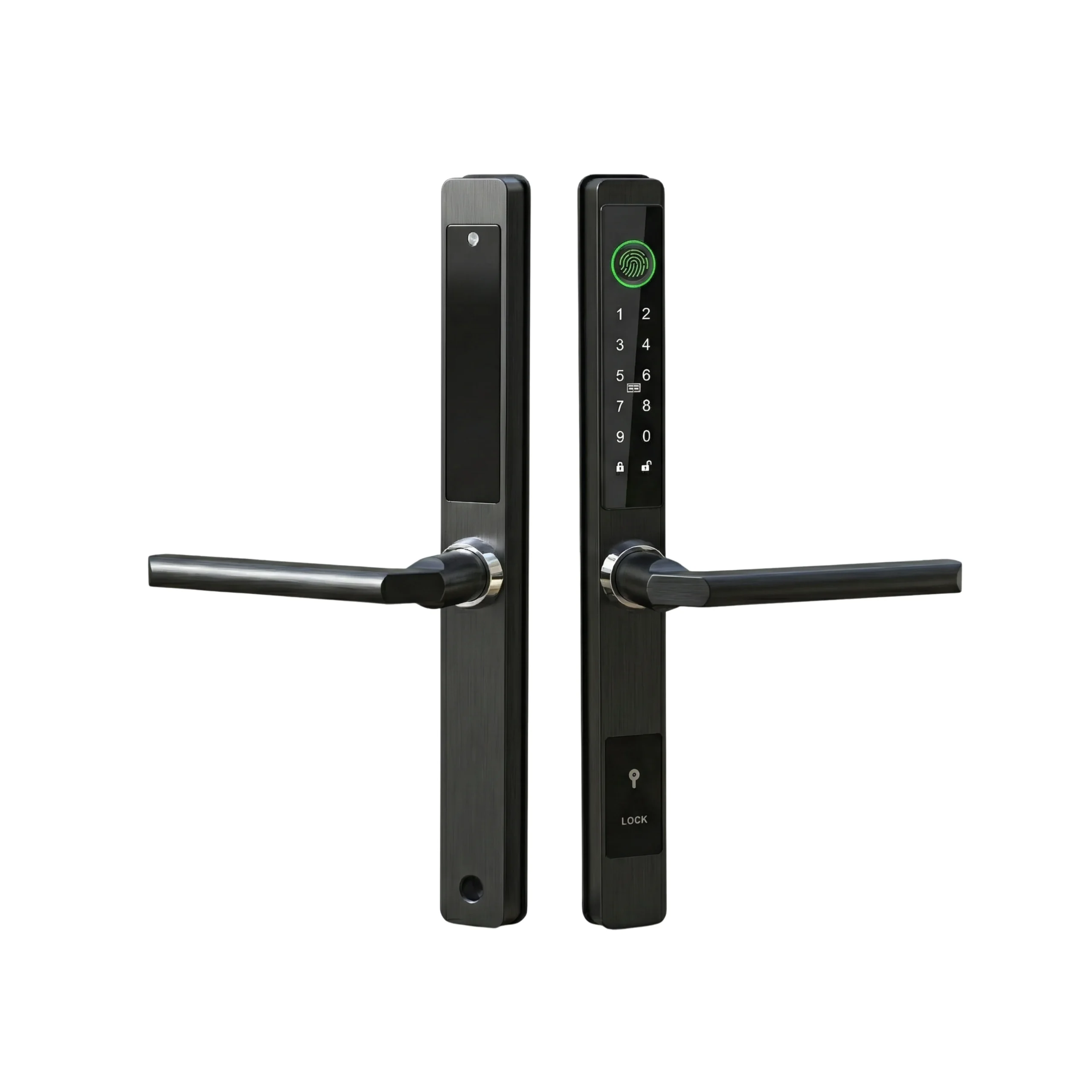
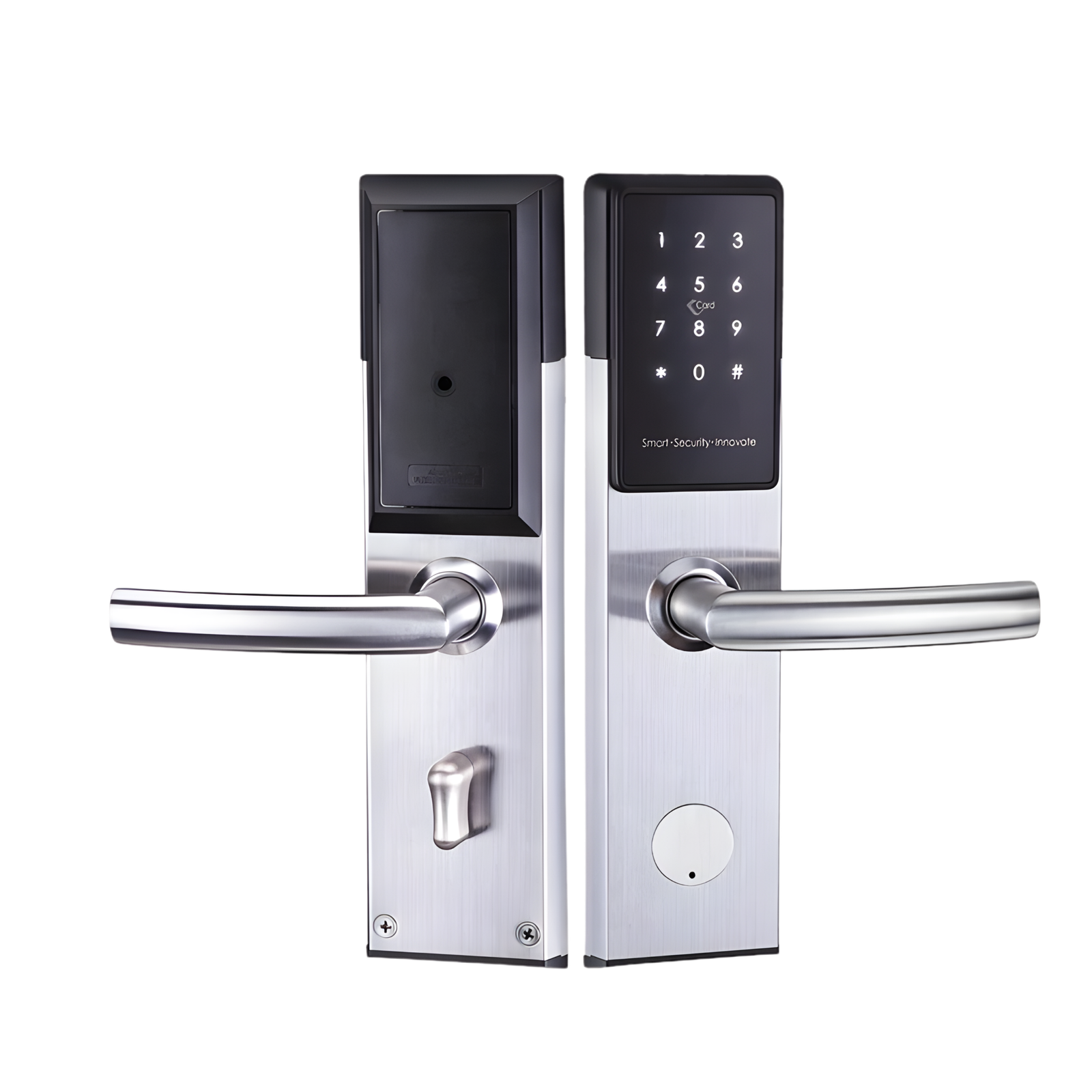
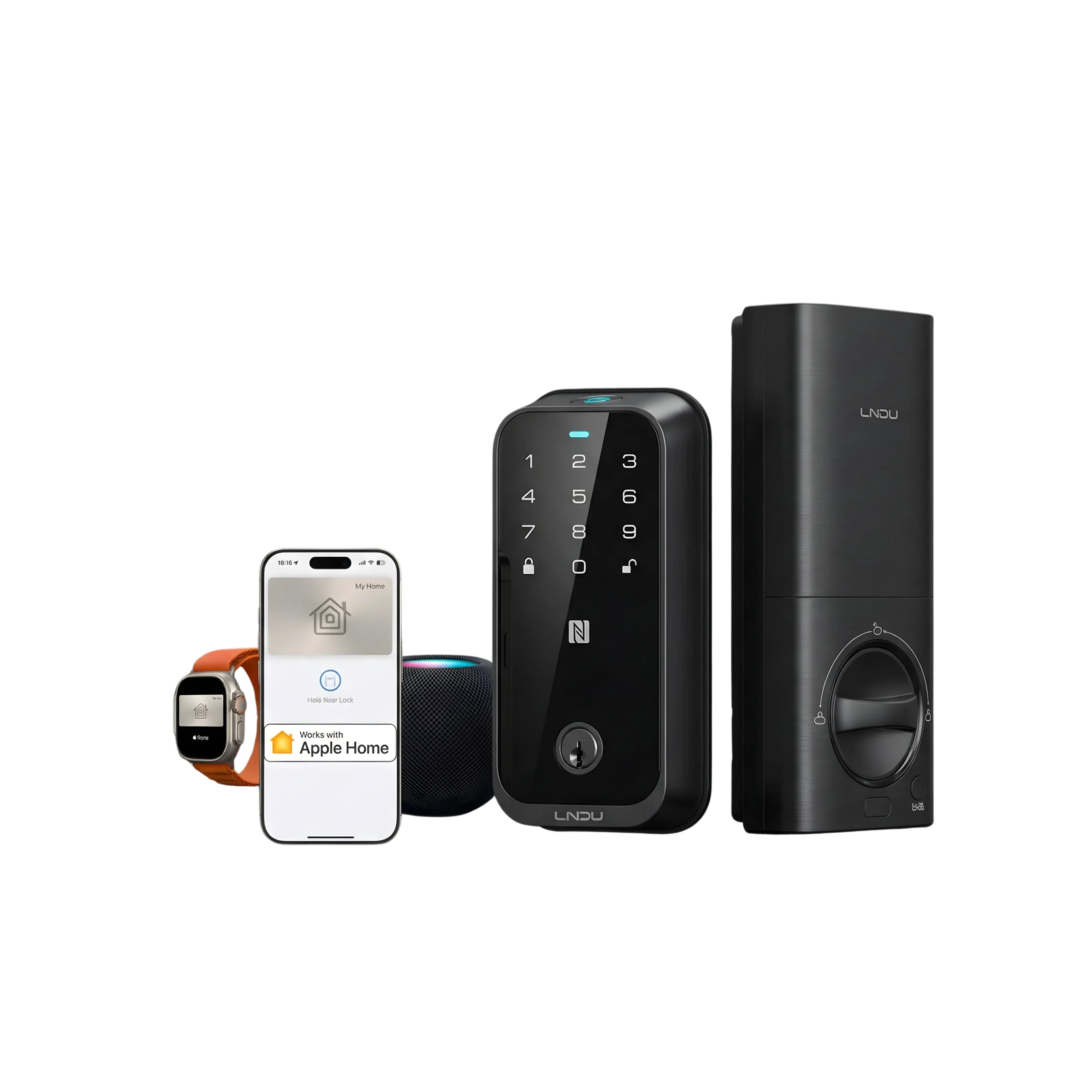
The keypad can give you away too. Touchscreen keypads on smart locks are glass, and skin oil leaves prints on the digits you press. In a dusty corridor, or on a villa door facing the street, those prints show up clearly at an angle. On button keypads, the digits you use every day wear faster than the rest. If your code is 6 digits and only 4 keys look used, a stranger has far fewer combinations to try.
University researchers have also shown that thermal cameras can read which keys were pressed from body heat left on a keypad, up to about 30 seconds after entry. For most UAE homes that isn’t a realistic threat. We mention it because the fix is the same as for smudges.
And then there’s everyone you’ve told. The cleaner, the driver, the friend who stayed over in 2024, the AC technician you let in once. Each of them still has your code if you’ve never changed it.
What is a virtual code, and how does it work?
A virtual code (sold as anti-peep, anti-peeping, scramble or virtual password, depending on the brand) lets you type extra random digits before and after your real code. The lock looks for your real code anywhere inside what you typed and opens if it finds it.
Say your code is 482917. You can type 3348291705 and the door opens. Next time you type 9148291722. Anyone watching sees a different string every time and doesn’t know which six digits matter.
It also fixes the smudge problem. If you hit random digits around your code, the whole keypad gets touched, not just your four or five favourite keys.
Every lock caps the total length. The EZVIZ DL05 product page lists anti-peeping codes up to 20 digits, and TTLock’s documentation describes up to 32 digits on its locks. The limit varies by model and firmware, so check your own manual.
It only helps if you use it. Type the bare code every time because it’s faster and you get no benefit at all. The other catch is the wrong-attempt lockout. Fat-finger a long string a few times in a row and the keypad can freeze for a few minutes. The DL05 page lists a 3-minute lockout after 5 failed attempts within 5 minutes.
Which of our smart locks support a virtual code?
We only say a lock has a virtual code if its product page on our site says so. The two EZVIZ models do. The two Altix models are in the table for other reasons: per-person timed codes on the R9, and face and palm vein entry on the Prime.
| Lock | Price with us | Code privacy feature on the product page | Passcode details on the page | Good for |
|---|---|---|---|---|
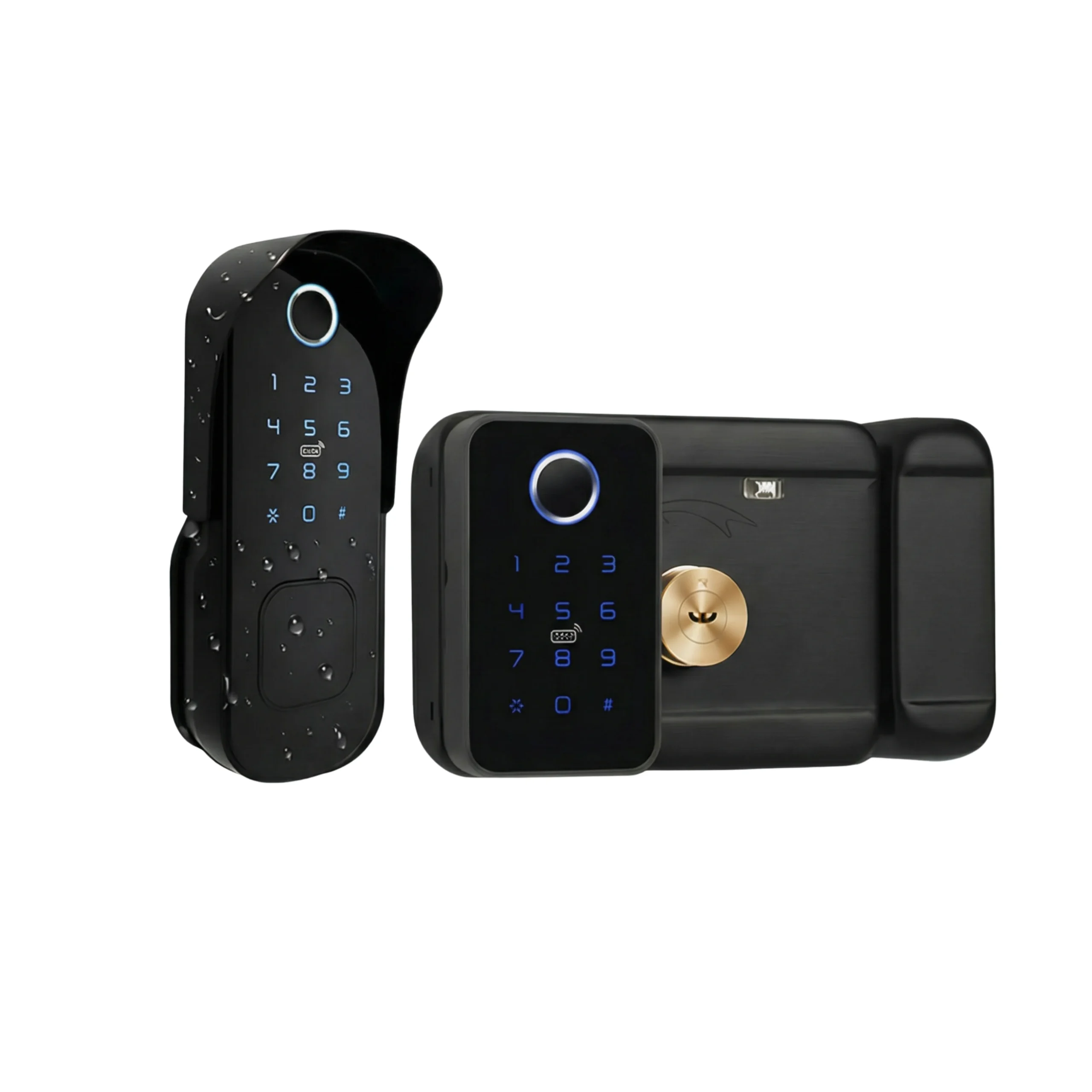
| EZVIZ DL04 Pro | AED 350 | Anti-Peeping (Virtual Password), anti-test protection | Up to 50 passcodes, 6 to 10 digits | Doors set up for a separate deadbolt |
| EZVIZ DL05 (6068 or 5085) | AED 499 | Anti-peeping codes up to 20 digits, wrong-attempt lockout | 50 passcodes | Mortise doors 30 to 110 mm thick |
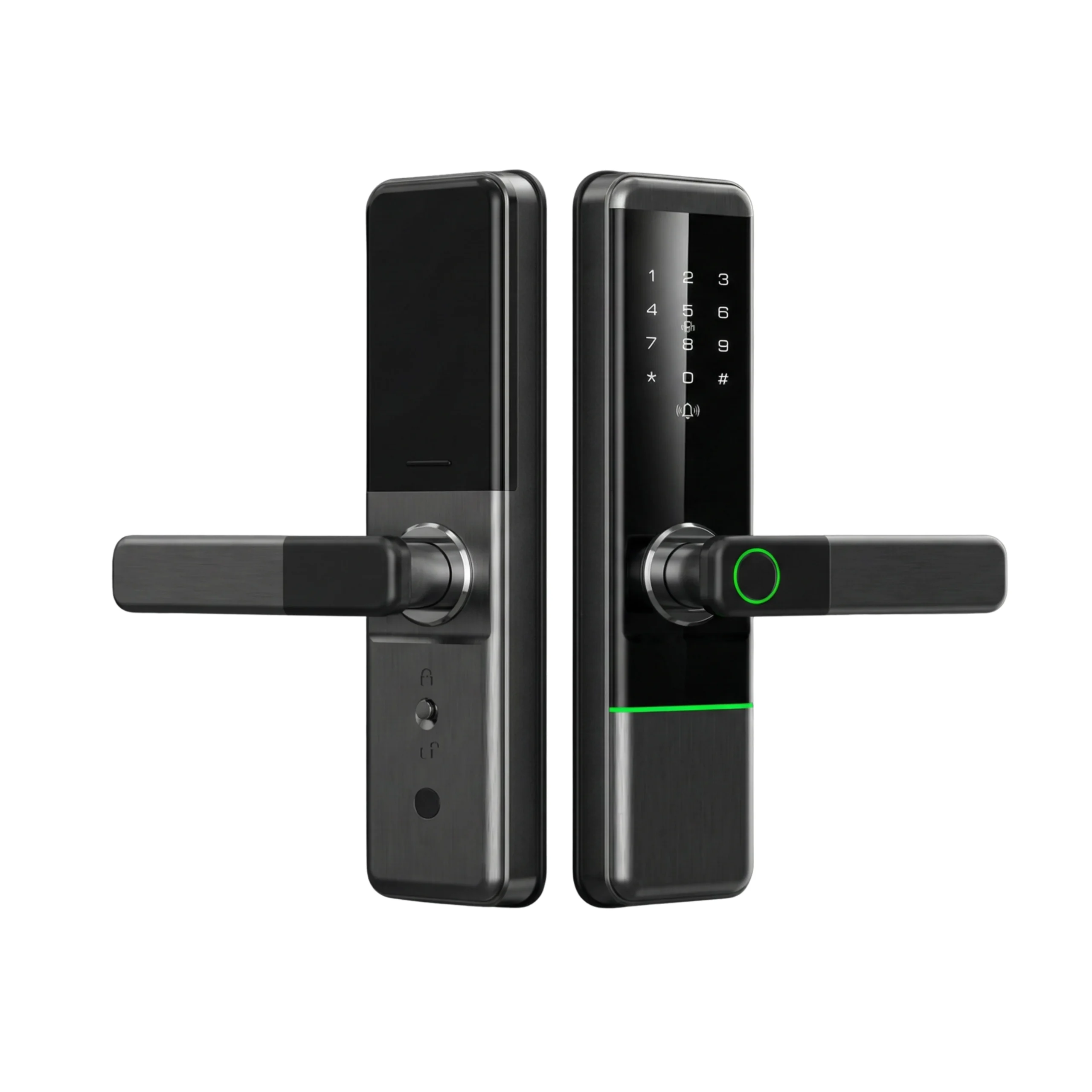
| Altix R9 | AED 494.99 | Time-limited codes via the TTLock app | Not listed | Apartment doors, rentals |
| Altix Prime | AED 2,899 | 3D face and palm vein entry, so you rarely type a code | Not listed | Anyone who’d rather not use codes at all |
Our Altix TTLock models (R9, Prime and others) run on the TTLock platform, and TTLock’s documentation describes anti-peep entry with extra digits. The product pages for these locks don’t state it, so we won’t promise it here. If it matters to you, message us and we’ll test it on the exact model before you buy.
Prices are our listed prices on the day of writing. Check the product page before you order.
Which code types should you give to which people?
The second fix is giving every person their own code. Smart lock apps offer several types. On TTLock, which runs our Altix locks, the main ones are below. EZVIZ has similar options under different names.
| Code type | How it behaves | Who it’s for in a UAE home |
|---|---|---|
| Permanent | Works until you delete it | You and your spouse. Change it every few months |
| Timed | Works between a start and end date and time | A guest staying a week, a nanny on a three-month contract |
| Recurring | Works on set days or hours, every week | The cleaner who comes Tuesday and Friday mornings, the driver on weekdays |
| One-time | Works once, then dies | The AC technician, a furniture delivery, a plumber |
| Custom | A code you choose, set from the app | Elderly parents who need something easy to remember |
Per-person codes do two things. When someone leaves, you delete one code and nobody else is affected. And the access log shows who came in and when, because every code has a name attached. If the log says “Cleaner” opened the door at 3am on a Sunday, you know something’s wrong and exactly whose code it was.
One TTLock detail catches people out. Offline codes (the ones the app generates without a live connection to the lock) have to be used for the first time within 24 hours of being created, or 6 hours for a one-time code, otherwise they’re suspended. Create them close to when they’re needed. Our post on removing someone’s access covers deleting codes properly when someone moves out.
What about corridor cameras and your neighbour’s doorbell?
Building CCTV is run by security or the facilities management company. It’s there for incidents, and the footage is controlled by them. You can’t do much about where those cameras point, so assume they can see your keypad. A virtual code takes care of it.
A neighbour’s doorbell camera or peephole camera pointed straight at your door is a different matter. UAE law treats filming people without consent seriously. Article 44 of Federal Decree-Law No. 34 of 2021 covers recording and photographing people in violation of their privacy, and the penalties are heavy. We’re not lawyers, and whether a particular camera crosses that line depends on the facts. The practical step is to raise it politely with the neighbour, then with building management if that doesn’t work. Many towers have rules on what residents can mount in corridors.
While that’s being sorted, use the virtual code and stand so your body blocks the keypad. Or skip the keypad and use a fingerprint or your phone.
Worked example: a family in a JVC apartment
Here’s how we’d set up codes for a typical family with us.
- A family of four in a 2-bedroom apartment in JVC has a live-in maid, a cleaner on Tuesday and Friday mornings, and a driver who collects the kids on weekdays. They’ve had the same 6-digit code since they moved in 18 months ago, and they’ve shared it with all of the above plus two sets of visiting relatives.
- Day 1, 19:00. They message us on WhatsApp. Their door is a standard timber apartment door with a 6068 lock body, 45 mm thick. We suggest the EZVIZ DL05 6068 at AED 499 plus AED 450 for fitting in Dubai, AED 949 in total. It lists anti-peeping codes on its page and fits the door.
- Day 3, 11:00. Our technician fits the lock in about an hour and tests the virtual code in front of the owner. She types her code with three random digits each side. The door opens. She types a wrong string. It doesn’t.
- 11:15. The parents each enrol two fingerprints and get their own permanent code. The kids, 9 and 12, get fingerprints only.
- 11:20. The maid gets her own permanent code and fingerprints. The cleaner gets a code that only works Tuesday and Friday, 08:00 to 12:00. The driver gets a weekday code, 06:30 to 08:30 and 13:30 to 16:00.
- 11:25. The old shared code is gone, because it was on the old lock. The two sets of relatives, the old cleaner and anyone else who had it can no longer get in.
- 11:30. Notifications go on for the parents’ phones. Every entry shows a name.
- Three weeks later, the driver leaves. The owner deletes his code from the app in 30 seconds. Nothing else changes.
For AED 949 they swapped an 18-month-old code that at least eight people knew for named codes that each do one job.
What habits keep your code private?
A good lock only does half the work. These habits take seconds.
- Use the virtual code every time, including when nobody’s around. It keeps the keypad evenly smudged.
- Stand between the keypad and the corridor, and cover your typing hand with the other one if someone’s waiting nearby.
- Wipe the keypad once a week with a dry microfibre cloth. Skip wet wipes and alcohol spray, since moisture and chemicals around the seals are bad for the electronics.
- Change your own code every 3 to 6 months, and always after a party, a renovation or a move-out.
- Don’t use your birthday, your door number or 123456. Your door number is written right next to the lock.
- Send each person their own code directly or through the app’s share feature, never in a family group chat.
- When the corridor’s busy on a move-in weekend, use your fingerprint or the app instead of the keypad.
What does it cost to make your door code safer?
| Option | Cost | What you get |
|---|---|---|
| Change your code and set per-person codes on your current lock | Free | Fixes old shared codes. Doesn’t help with watching or smudges unless your lock supports a virtual code |
| EZVIZ DL04 Pro | AED 350 plus fitting | Virtual password, 6 to 10 digit codes, deadbolt style |
| EZVIZ DL05 | AED 499 plus fitting | Anti-peeping codes up to 20 digits, mortise body |
| Altix Prime | AED 2,899 plus fitting | Face and palm vein entry, so codes become a backup |
| Mortise fitting with us | AED 450 Dubai and Sharjah, AED 550 Abu Dhabi and other emirates | Fitted, tested, users set up |
If you already have a smart lock, start with the free option. Check your manual or app for an anti-peep setting before you buy anything new.
What goes wrong?
The most common problem is that people turn on every privacy feature and then keep typing the bare code because it’s quicker. Make the extra digits part of the routine for the first week and it sticks.
The next one is codes that never expire. A “temporary” code for a contractor set as permanent is still live a year later. Use timed and one-time codes for anyone who isn’t family.
Lockouts happen too. Long virtual strings mean more typos, and five wrong attempts can trigger a lockout. Slow down, or use a fingerprint if you’re in a hurry.
Then there’s the dead-battery fallback. When the batteries go, people reach for the emergency USB power and type their code in front of whoever’s around. Keep the batteries fresh. Our post on emergency access covers what to set up before that happens.
Finally, your codes are only as private as the app account that manages them. Use a strong password on the lock app and turn on two-step verification if the app offers it. Our lost phone guide covers what to do if your phone goes missing.
When shouldn’t you buy a new lock for this?
If your current smart lock already supports anti-peep codes and per-person codes, you don’t need a new one. Turn the features on. Most people we speak to have never opened that part of the app.
If you rent, get the landlord’s okay in writing before changing the lock. Our rented apartment guide explains how.
If your apartment’s front door is fire-rated (look for a label on the hinge-side edge), you need approved hardware and building approval first. Our NOC guide covers how that works with the main developers.
Buy the lock that fits your door
EZVIZ DL04 Pro Smart Deadbolt Lock with Wi-Fi & Fingerprint
- Fingerprint
- Passcode
- Card
- App
Free UAE delivery
EZVIZ DL05 6068 Smart Fingerprint Lock with Wi-Fi & Bluetooth
- Fingerprint
- Passcode
- Card
- App
Free UAE delivery
Sale!-12% NewAltix Prime Smart Lock – 3D Face Recognition, Palm Vein & Fingerprint Door Lock with WiFi & TTLock App
- Face recognition
- Palm vein
- Fingerprint
- Passcode
Only 4 left
How can Altix help?
Send us a photo of your door’s edge and both faces around the handle on WhatsApp. Tell us who needs access and when. We’ll tell you which lock fits, whether it supports a virtual code, and how we’d set up the codes for your household.
We fit across the UAE. Mortise fitting is AED 450 in Dubai and Sharjah and AED 550 in Abu Dhabi and the other emirates.
FAQ
What is an anti-peep or virtual passcode on a smart lock?
It lets you type random digits before and after your real code. The lock opens as long as your real code appears in the string, so anyone watching can’t tell which digits are the code.Can someone get my door code from a camera in the corridor?
Yes, if the camera can see the keypad. A virtual code stops the footage being useful because the string changes every time.Can people really read a code from fingerprints on the keypad?
On glass touch keypads, oily prints show which digits you use, especially at an angle in a dusty corridor. Adding random digits spreads the prints across the whole keypad.How often should I change my smart lock code?
Every 3 to 6 months for your own code, and straight away after someone with a code leaves, after renovation work, or after a party.Should my maid or cleaner have their own code?
Yes. Give each person their own code with only the hours they need. When they leave you delete one code, and the log shows who opened the door.Does the Altix R9 support a virtual code?
The R9 product page lists time-limited codes through the TTLock app but doesn’t state anti-peep entry. Message us and we’ll check it on the exact model.What happens if I enter the wrong code too many times?
Most locks lock the keypad for a few minutes. The EZVIZ DL05 page, for example, lists a 3-minute lockout after 5 failed attempts within 5 minutes.Is fingerprint safer than a code in an apartment corridor?
Against watching, yes, because there’s nothing to see. Codes are still useful for people who don’t live with you. Use both.Popular Post
View All Security & Safety
Are Smart Locks Secure? Myths vs. Reality (Expert Breakdown)
Are smart locks secure for real homes and properties in Dubai and Abu Dhabi?For most households, rentals, and…
Read More Info → Apartments & Villas
How to control Smart Locks with Alexa, Google Home
Smart locks aren’t just about replacing keys, they’re about convenience. One of the biggest advantages of choosing the…
Read More Info → How-to
Tuya vs TTLock – Which App is best?
Tuya vs. TTLock: Which Smart Lock Platform Should You Choose for Your Home? Smart locks are becoming more…
Read More Info →
Smart Locks in UAE: The 2026 Buyer’s Guide You Actually Need
If you’re upgrading security in your home, villa, or office in the UAE, the smartest move in 2026…
Read More Info →Wi-Fi, Remote & Smart HomeBluetooth vs Wi-Fi Locks – Which One Fits Your Space?
Should your smart lock work only when you are standing at the door, or should it let you…
Read More Info →
Best Smart Locks in Dubai & UAE (2026): Top Models by Door Type
This article replaces the content of the existing post at the URL below and absorbs the duplicate post.…
Read More Info →Get new smart lock guides by email
Buying guides, installation tips and offers for UAE homes and businesses.
Unsubscribe anytime.


