












Dubai Law No. (4) of 2026 doesn’t name a single lock. What it does is make your unit pass a security check before Dubai Municipality issues a permit, and put the approved occupant count and the space allocated to each resident into a register held by the Land Department. Those two things change how you run doors in a shared villa.
The law comes into force on 26 August 2026. Existing operators get one year to comply, with a one-time extension possible from Dubai Municipality.
We’re a lock supplier, not a law firm. Everything below about the law is drawn from published legal commentary and press coverage, and you should confirm your own position with Dubai Municipality or a lawyer. What we can tell you accurately is what an access setup looks like when it’s built to survive an inspection and twelve months of tenant turnover.
What changes on 26 August?
| What | Detail |
|---|---|
| Permit | Required from Dubai Municipality before a unit can be used for shared housing |
| Who can operate | Owner leasing direct, a company managing for the owner, or a company that leases the unit then sublets it |
| Who cannot | An individual tenant. Partitioning a flat or subletting a room or bed space is out |
| Inspection covers | Planning, construction, health, sanitation, fire safety, electrical safety and security |
| Also assessed | Occupancy limits, minimum living space per resident, availability of shared facilities |
| New register | Dubai Land Department will run an electronic Shared Housing Register |
| Register holds | Owner details, approved occupant numbers, unit specification and layout, space allocated per resident, registered tenancy contracts |
| Fines | AED 500 to AED 500,000. Repeat offences within a year can double, up to AED 1 million |
| Other penalties | Activity suspension up to six months, permit cancellation, licence revocation, utility disconnection, eviction of occupants |
| Disputes | Rental Disputes Center |
| Scope | All real property units in Dubai, including free zones and special development zones |
| Carve-out | Collective labour accommodation stays under separate legislation |
Applications go through Dubai Municipality’s digital channels once the authority publishes the procedure.
Who needs a permit, and who just lost the right to rent rooms out?
Three groups can legally operate shared housing. The owner leasing directly to residents, a company managing the property for the owner, and a company that leases the whole unit from the owner and then rents spaces inside it.
Everyone else is out. If you’re a tenant renting a three-bedroom in Discovery Gardens and letting two rooms to cover the rent, that arrangement doesn’t survive this law. Individual tenants can’t partition and can’t sublet.
The practical consequence for doors is straightforward. Access control in a shared unit is now the responsibility of a named, permitted entity that can be inspected and fined. It stopped being an informal arrangement between flatmates.
What does the law say about security, and what doesn’t it say?
We’re going to be precise here, because getting this wrong is how you end up buying things you don’t need.
Security is one of the areas a property must comply with before a permit is issued, alongside planning, construction, health, sanitation, fire safety and electrical safety. Building safety and security appears again in the list of technical standards shared accommodation has to meet. That much is in the published commentary.
What isn’t there is any mention of smart locks. No mandated lockers, no specified credential type, no required audit trail, no brand. We’ve seen no published provision requiring any particular access hardware, and if someone tells you otherwise, ask them for the article number.
So everything from here is our recommendation as an installer rather than a legal requirement. This is what we’d fit if the goal is to pass an inspection comfortably, keep residents secure, and avoid spending the next year cutting keys.
One point worth making. The register records the space allocated to each resident and the registered tenancy contracts, which means the authorities will know how many people are supposed to be in your unit. An access system that logs who came through the door is the cheapest way to know whether reality matches your permit. That’s a business reason, not a legal one.
Which doors need what in a shared unit?
A shared villa or flat has four different door problems, and operators routinely fit the same lock to all of them.
| Door | Who uses it | What it needs | What we’d fit |
|---|---|---|---|
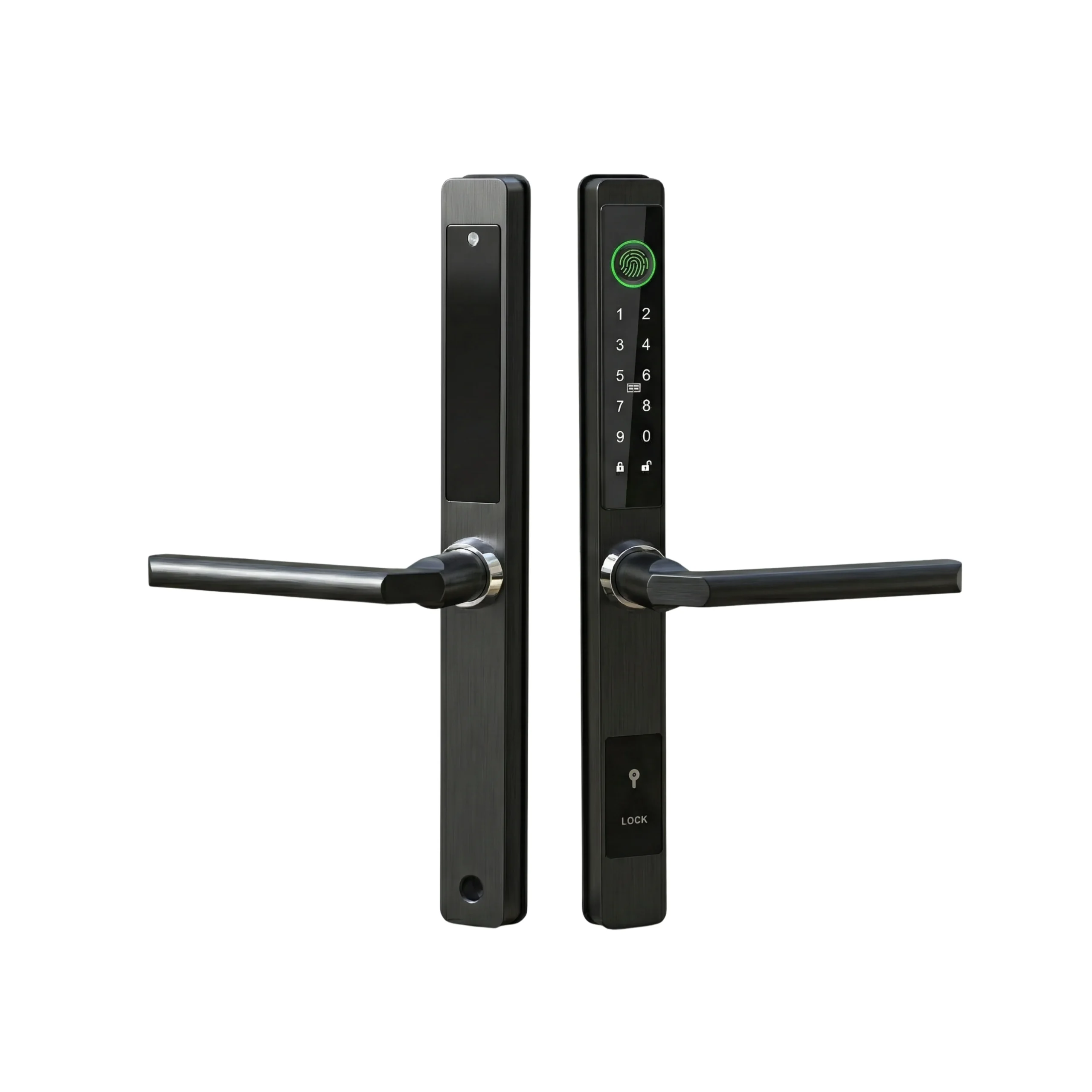
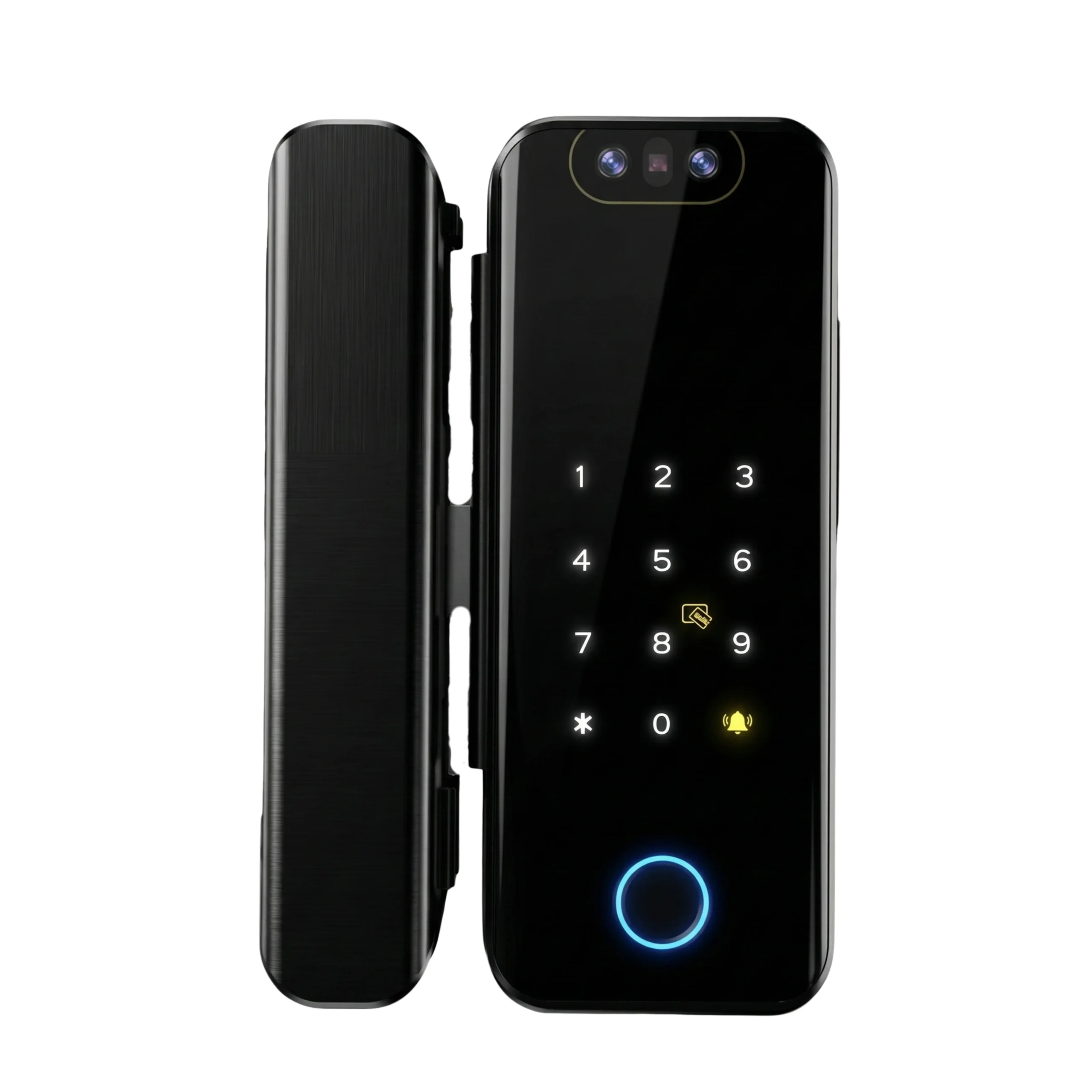
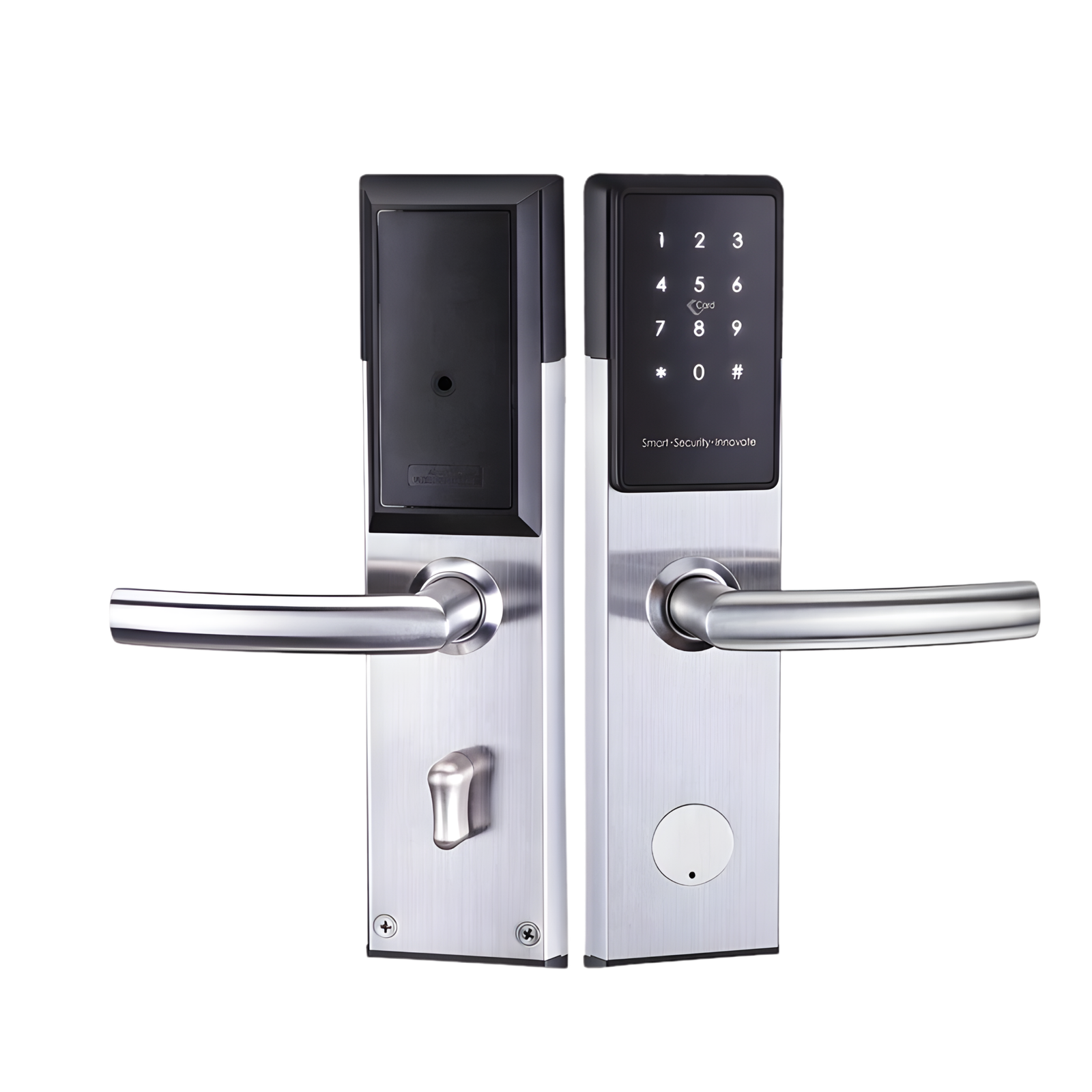
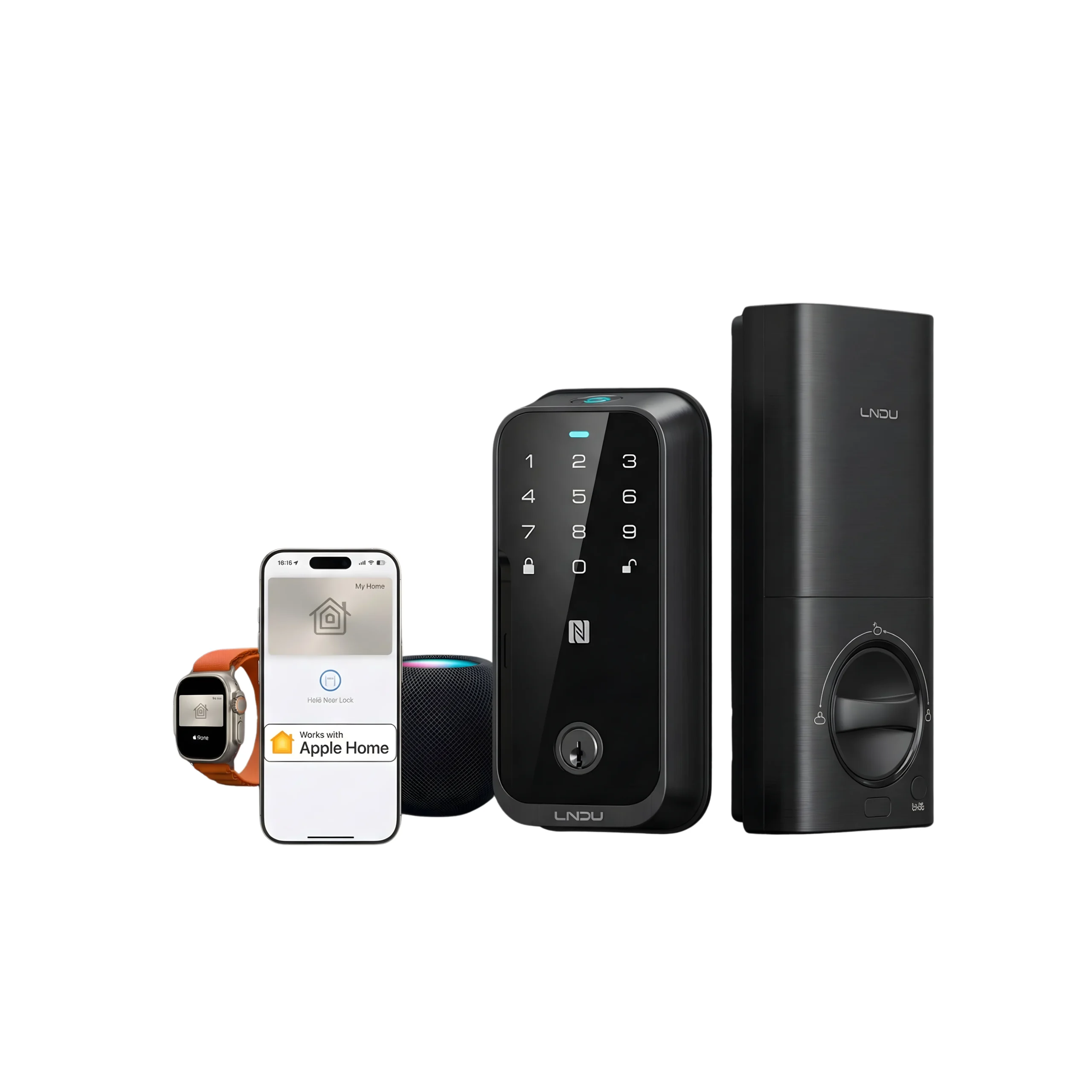
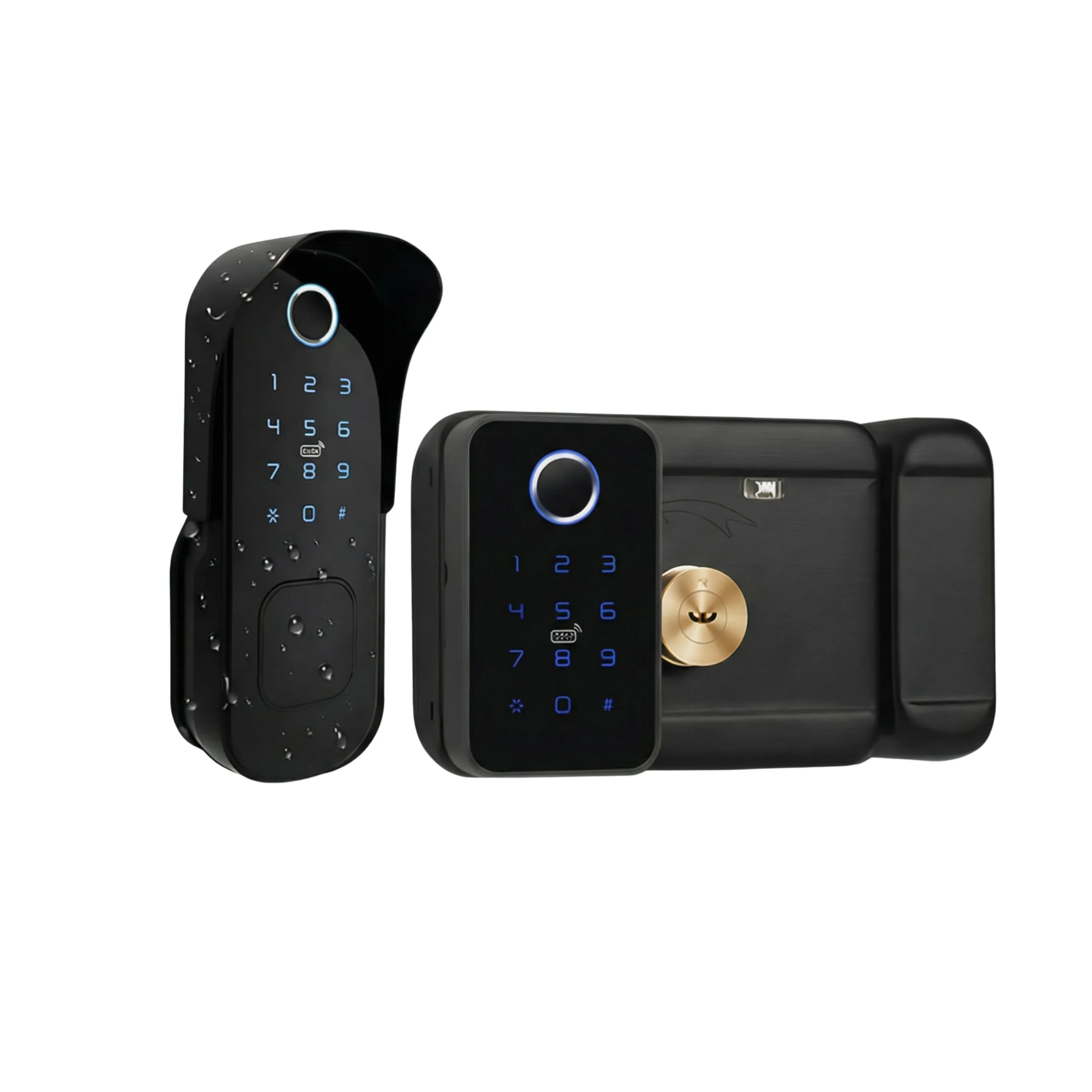
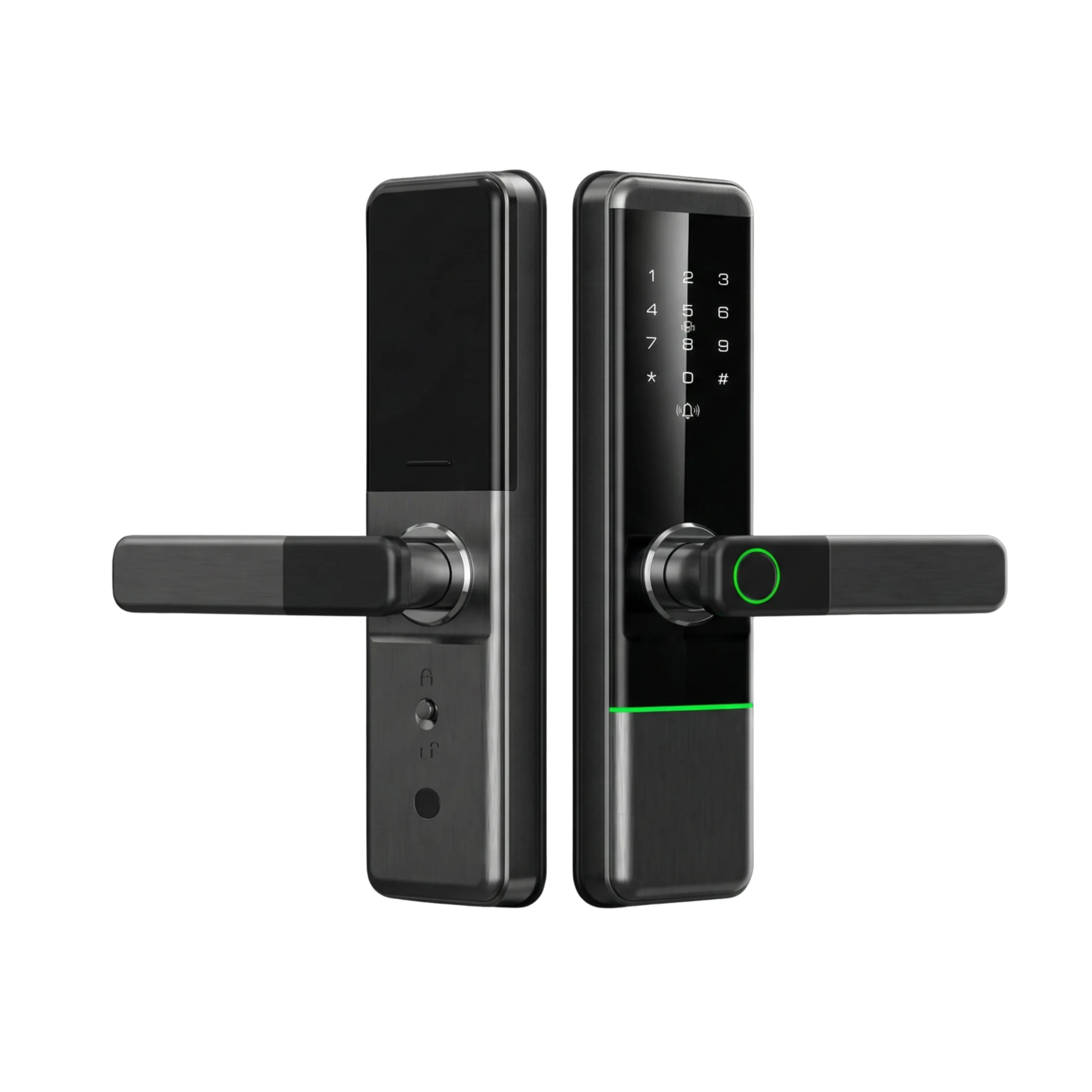
| Main entrance | Every resident, plus you and maintenance | Individual credentials so you know who entered, remote revocation when someone leaves | R9 at AED 494.99, or the hotel lock at AED 949.99 on larger units |
| Bedroom doors | One resident each | Privacy, no master key floating around, cheap to reset between tenants | CL1X cylinder at AED 504.99 per door |
| Store room, plant room, meter cupboard | You and maintenance only | Staff-only access, no resident credentials at all | CL1X, or a padlock where the risk is low |
| Personal storage inside a shared bedroom | One resident | Secures a wardrobe or drawer without damaging the furniture | CB3 at AED 159.99, CB5 hidden drawer lock at AED 169.99 |
The bedroom door is where most operators get it wrong. A mechanical lock with three cut keys means the previous tenant may still have one, and you’ll never know. A cylinder you can reset from an app costs more upfront and less every time somebody moves out. It also swaps into the existing mortise, which we’ve covered in detail in our guide to replacing a mortise lock with a smart cylinder.
What does a six-room shared villa need, door by door?
A permitted operator running a six-bedroom villa in Al Quoz. Twelve approved occupants. Average stay around eight months, so you’re turning over roughly eighteen residents a year.
- The main entrance gets individual codes, not one shared code. Twelve residents, twelve codes. When one leaves you delete one code and nobody else is disturbed.
- Each bedroom door gets a CL1X cylinder. It swaps into the existing mortise, so no new holes in the door and nothing to argue about with the owner at the end of your own lease.
- One gateway goes in the hallway. The G2 at AED 179.99 lets you add and remove access remotely instead of driving to the villa. Without it you’re standing at each door with your phone on Bluetooth.
- The store room and meter cupboard get staff-only credentials. No resident is issued access. This is the most common gap we find on site.
- Each resident gets a card or fob for the main door rather than a code, because codes get shared and cards don’t travel as easily. Cards are AED 34.99 for five. Fobs are AED 89.99 each if you want something for the bag.
- Personal storage is offered per bed, not per room. In a room with two occupants, one wardrobe lock each. This is what residents complain about, and it costs under AED 200 a head.
- You keep the admin account. Not the site supervisor, not a WhatsApp group. One admin account you control, with the supervisor added as a sub-account you can remove.
- Move-out takes four minutes. Delete the main door credential, reset the bedroom cylinder code, retrieve the card. No locksmith, no key cutting, no wondering.
Compare that to the mechanical version. Eighteen move-outs a year, each one needing either a lock change at AED 150 to 350 or a leap of faith about who still has a key.
What does it cost per room?
| Item | Cost | Per six-room villa |
|---|---|---|
| Main entrance lock (R9) | AED 494.99 | 494.99 |
| Bedroom cylinder (CL1X) x6 | AED 504.99 each | 3,029.94 |
| Gateway (G2) | AED 179.99 | 179.99 |
| RFID cards, 12 residents | AED 34.99 per 5 | 104.97 |
| Wardrobe locks (CB3) x12 | AED 159.99 each | 1,919.88 |
| Installation, per door, labour | AED 150 to 350 | roughly 1,050 to 2,450 |
That lands somewhere around AED 6,800 to 8,200 for the full six-room villa, or roughly AED 1,130 to 1,360 per room including storage and installation.
Set that against a single AED 500,000 fine, or six months of suspended activity, or utility disconnection on a villa you’re still paying rent on. Do the sums yourself rather than taking our word for it, but the arithmetic isn’t close.
If budget is tight, spend on bedroom cylinders first, then the main entrance, then the gateway, then personal storage. Bedroom privacy is what residents complain to authorities about.
What goes wrong with access in shared housing
Five failures, and they show up again and again.
One code for the whole villa is the first. It ends up in a WhatsApp group, then on a Facebook room-share page, and you have no idea who holds it or any way to prove occupancy matches your permit.
Then there’s the master key nobody controls. Somebody cut a spare for a supervisor who left in March. Mechanical master systems only work if key control is real, and in shared housing it rarely is. It’s the same problem offices hit when staff turnover outpaces key collection.
The third is nobody owning the admin account. The lock gets set up on the site supervisor’s personal phone, he leaves, and the operator is locked out of their own access system. Recovering from that usually means a factory reset on every door.
Fourth, the gateway ends up on the wrong Wi-Fi. Operators put it on a resident’s network, the resident changes the router password or moves out, and remote access dies silently. Put it on a network you control.
Fifth is batteries nobody checks. Twelve doors, no owner assigned, and the first anyone knows is a resident locked out at midnight. Assign one person and one calendar reminder every six months.
What about the register and proving occupancy?
The Dubai Land Department register will hold your approved occupant numbers, the layout, the space allocated to each resident, and the registered tenancy contracts. Dubai Municipality hasn’t published the submission procedure yet, so confirm the exact requirements when it does.
What an access log gives you is a record of who came through the main door and when. If your permit approves twelve people and the log shows twelve credentials in regular use, you can demonstrate that. If it shows nineteen, you have a problem worth finding before an inspector does.
We’d keep three things filed and current. The credential list matched to the tenancy contracts, the date each credential was issued and revoked, and a note of who holds admin access. None of that is legally mandated as far as we can see. All of it is what we’d want in a folder if somebody knocked.
Order the access hardware for a shared unit
-
 Bestseller
How can Altix help?
We survey the unit and quote per door, not per villa, because a six-bedroom in Al Quoz and a two-bedroom partition in Bur Dubai are different jobs.
We’ll also tell you where not to spend. Not every internal door needs a smart lock, a store room often doesn’t, and if your main door is a fire-rated steel leaf we’ll usually recommend a cylinder swap over a full replacement so you don’t touch the certification.
If you’re applying for a permit or working through the twelve-month compliance window, message us on WhatsApp with the unit layout and the approved occupant number. We’ll come back with a door-by-door list and a cost you can take into your own compliance review.
FAQ
Does Dubai’s shared housing law require smart locks?
No. Security is one of the areas assessed before a permit is issued, but we’ve seen no published provision naming smart locks, lockers or any specific access hardware. Treat anyone who tells you it’s mandatory with suspicion.When exactly does the law take effect?
26 August 2026. Existing operators have one year to comply, and Dubai Municipality may grant a one-time extension where needed.Can I still rent out a room in my flat?
Not as an individual tenant. Only the owner, a company managing for the owner, or a company that leases the unit and then sublets it can operate shared housing under the new law.What are the fines?
AED 500 to AED 500,000. Repeat offences within one year can be doubled, up to AED 1 million. Authorities can also suspend activity for up to six months, cancel permits, revoke licences, disconnect utilities and evict occupants.Does the law apply in free zones?
The published commentary says it applies to all real property units in Dubai including free zones and special development zones. Collective labour accommodation stays under separate legislation.What’s the cheapest sensible way to secure bedroom doors?
A smart cylinder swapped into the existing mortise. It costs more than a mechanical lock once, then costs nothing every time a resident moves out. On eighteen move-outs a year that maths turns over quickly.Do I need a gateway?
Only if you want to add and remove access without physically going to the villa. On one unit you can live without it. On four units across Dubai you’ll buy one in the first month anyway.Who should hold the admin account?
You or the permitted operating company. Never a site supervisor’s personal phone, and never a shared login in a WhatsApp group. Add staff as sub-accounts you can remove.Working through a permit application and not sure what the doors need? Send us the layout on WhatsApp and we’ll go through it room by room.
Sources: Alsuwaidi & Company, “Law No. 4 of 2026: A New Regulatory Framework for Shared Housing in Dubai” (16 March 2026); Expat Media, “Dubai shared housing law begins on August 26” (6 August 2026). This article is general information, not legal advice.
Popular Post
View All Security & Safety
Are Smart Locks Secure? Myths vs. Reality (Expert Breakdown)
Are smart locks secure for real homes and properties in Dubai and Abu Dhabi?For most households, rentals, and…
Read More Info → Apartments & Villas
How to control Smart Locks with Alexa, Google Home
Smart locks aren’t just about replacing keys, they’re about convenience. One of the biggest advantages of choosing the…
Read More Info → How-to
Tuya vs TTLock – Which App is best?
Tuya vs. TTLock: Which Smart Lock Platform Should You Choose for Your Home? Smart locks are becoming more…
Read More Info →
Smart Locks in UAE: The 2026 Buyer’s Guide You Actually Need
If you’re upgrading security in your home, villa, or office in the UAE, the smartest move in 2026…
Read More Info →Wi-Fi, Remote & Smart HomeBluetooth vs Wi-Fi Locks – Which One Fits Your Space?
Should your smart lock work only when you are standing at the door, or should it let you…
Read More Info →
Sliding Door Smart Locks in the UAE: Balcony, Patio and Glass Sliders
Most smart locks are built for swing doors and won't fit a slider. See what works on UAE…
Read More Info →


