




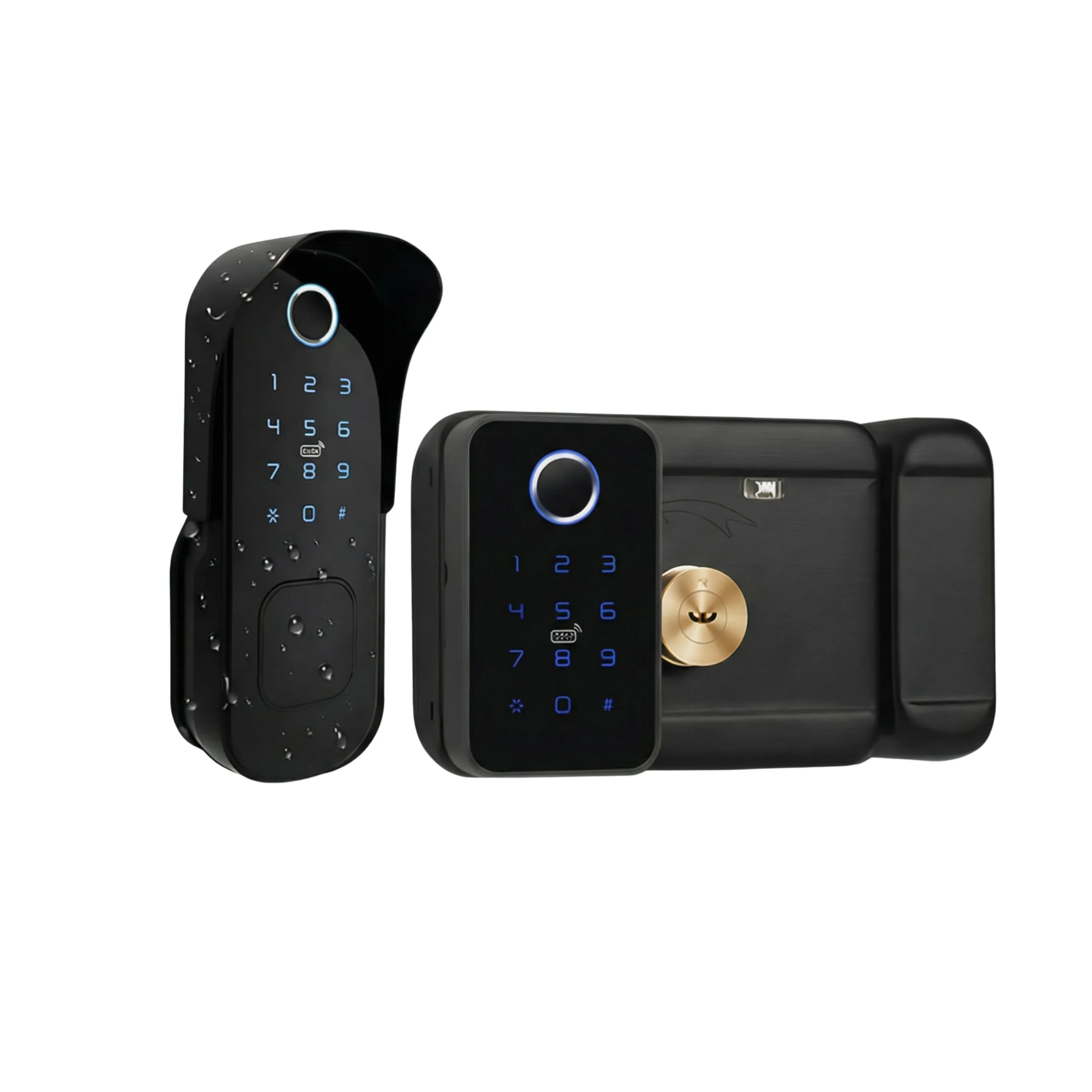
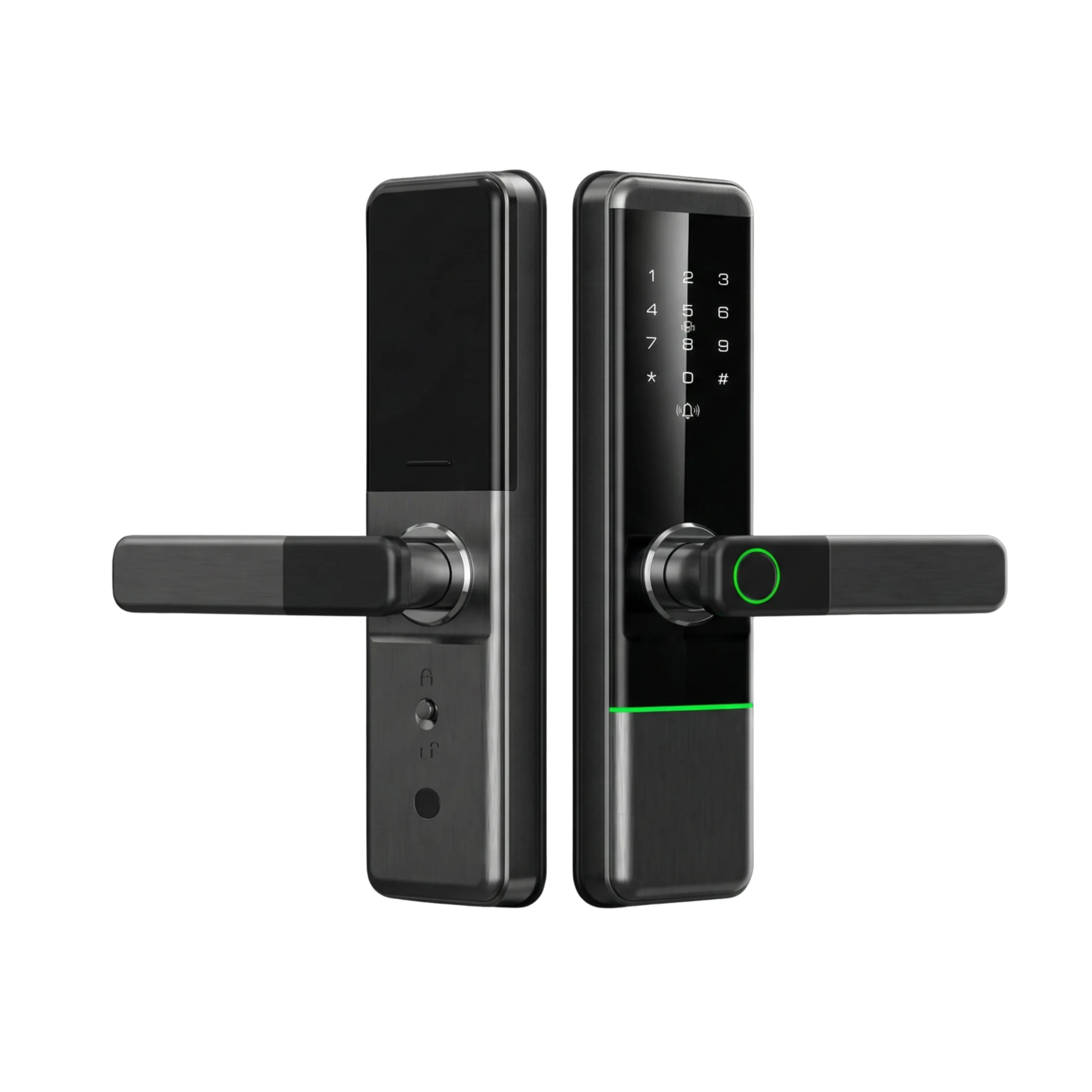









A vein sensor that worked for six months and now needs three tries is almost never a failed sensor. In our experience the cause is nearly always one of four things, and three of them cost nothing to fix.
Work through these in order. Deleting and re-enrolling your hand is the last step, not the first — people reach for it immediately and it rarely helps.
First: is it one person or everybody?
This single question splits the problem in half.
One person affected, others fine. It’s the enrolment or the presentation. Skip to the placement and re-enrolment sections below.
Everybody affected. It’s the lock — power, sensor surface, or a firmware state. Start with power.
Power, first, always
Vein sensors draw meaningfully more current than a fingerprint reader. Both palm vein and finger vein work by illuminating tissue with near-infrared light and reading what comes back, and that illumination needs real power.
The consequence: a vein lock degrades before it dies. As voltage sags, the IR emitters dim, the returned image loses contrast, and match confidence drops. You get intermittent failures and slower reads well before any low-battery warning appears.
So if reads have got gradually worse over weeks, charge or replace the batteries before you change anything else. On models like the V5 Max, Veno Plus and S6 Max the camera and display are drawing from the same pack, which accelerates this.
This is the whole argument behind the V7 Max‘s AuraCharge system — keeping the pack topped up rather than letting it cycle down. Whether that’s worth the premium is a separate question.
Second: clean the window, properly
The sensor window is not glass you can scrub. It’s an IR-transmissive panel, and two things ruin it.
Fine dust haze. In the UAE this is the big one. Shamal dust is fine enough to build an even film that you cannot see in daylight but which scatters IR badly. A lock on a villa main door or any exterior door accumulates this within weeks.
Oily smears. Sunscreen and hand cream are the worst offenders, and both are in constant use here.
Use a dry microfibre cloth. Not glass cleaner, not alcohol wipes, not a paper towel. Ammonia-based cleaners can fog IR coatings permanently, and paper towel micro-scratches the surface. If there’s genuine grime, barely dampen the microfibre with water and follow with a dry pass.
Third: how the hand is presented
This is where most single-person failures live, and it’s worth understanding why vein sensors are fussier about position than fingerprint readers.
A fingerprint sensor reads a surface in contact with it — the contact itself sets the distance. A palm vein sensor reads a three-dimensional structure at a distance, so distance and angle are part of the measurement. Present your palm two centimetres closer than you did at enrolment and the sensor sees a different geometry.
The fixes:
- Match your enrolment distance. Most people enrol carefully and deliberately, then in daily use swipe past casually. Slow down and hold still for a beat.
- Open your hand fully. A slightly cupped palm changes the vein geometry the sensor mapped.
- Keep it square to the sensor. Tilting reduces the effective sampled area.
- For finger vein models like the SV40 and S5, seat the finger fully rather than resting the tip in the slot.
The two environmental cases nobody warns you about
Cold hands. Vein contrast depends on blood flow. Come in from a cold-soaked car in January, or straight from an over-air-conditioned office, and peripheral circulation is reduced enough to weaken the read. Warm your hands for thirty seconds and try again. This is a genuine, physiological limitation, not a fault.
Direct low-angle sun. Sunlight carries a lot of infrared. A west-facing door at 5pm can put enough IR onto the sensor to swamp its own illumination. If your failures cluster at one time of day, that’s your answer — and it’s an argument for shading the door rather than replacing the lock.
Fourth: re-enrol, and do it properly
Only now. If you’ve done the above and one person still fails consistently, their stored template is the problem.
Delete the old entry before adding a new one. Leaving a poor template in place alongside a good one means the lock still sometimes matches against the bad data.
Then enrol under realistic conditions, not ideal ones:
- At the distance and angle you actually use day to day
- At normal hand temperature, not straight after washing in hot water
- In the lighting the door genuinely has, not with the door propped open
- Enrol both hands, or two fingers, if the lock allows it — redundancy costs nothing
When it genuinely is the lock
Escalate if any of these are true:
- Fresh batteries, clean sensor, and every user still fails
- The sensor doesn’t illuminate at all when a hand approaches — hold a phone camera to it; many phone sensors show IR as a faint purple glow
- Reads fail identically whether the door is open or closed and at every time of day
- Visible damage, cracking or moisture behind the sensor window
Moisture behind the window on a coastal property is worth taking seriously. Salt-laden air does things to sealed electronics that an IP rating does not protect against.
A note on expectations
Vein recognition is more robust than fingerprint for worn, wet and older hands — that’s the reason to buy it. It is not immune to everything. It has its own failure modes: cold hands, IR interference and placement drift.
If you’re choosing between methods rather than fixing one, our breakdown of how vein, fingerprint and face recognition each fail is the more useful place to start. And if the underlying issue is that someone’s fingerprints stopped working in the first place, that has its own guide.
Whatever you do, keep one non-biometric method enrolled and working — a PIN, a card, or the mechanical key somewhere sensible. Every biometric method has a bad day eventually.


